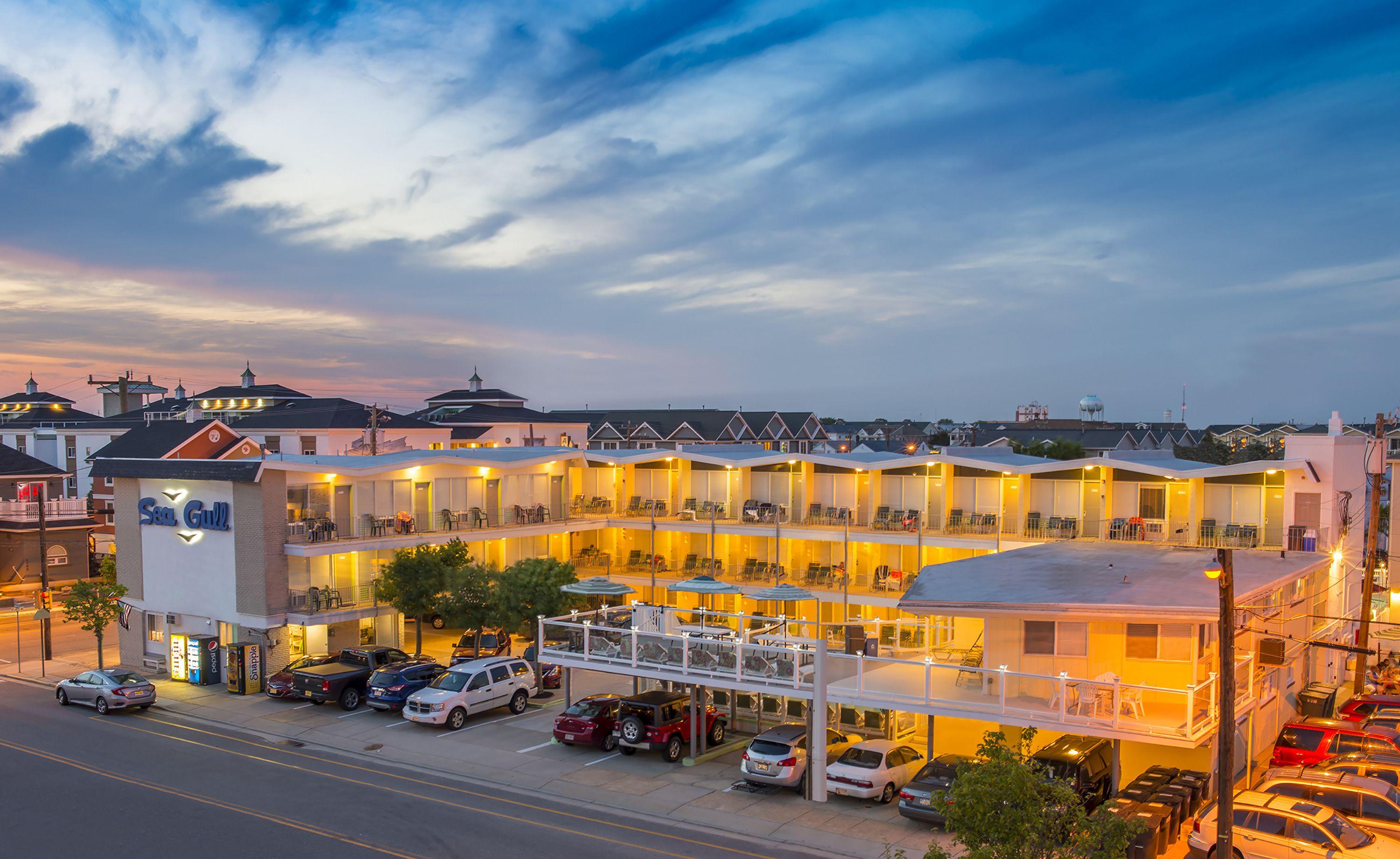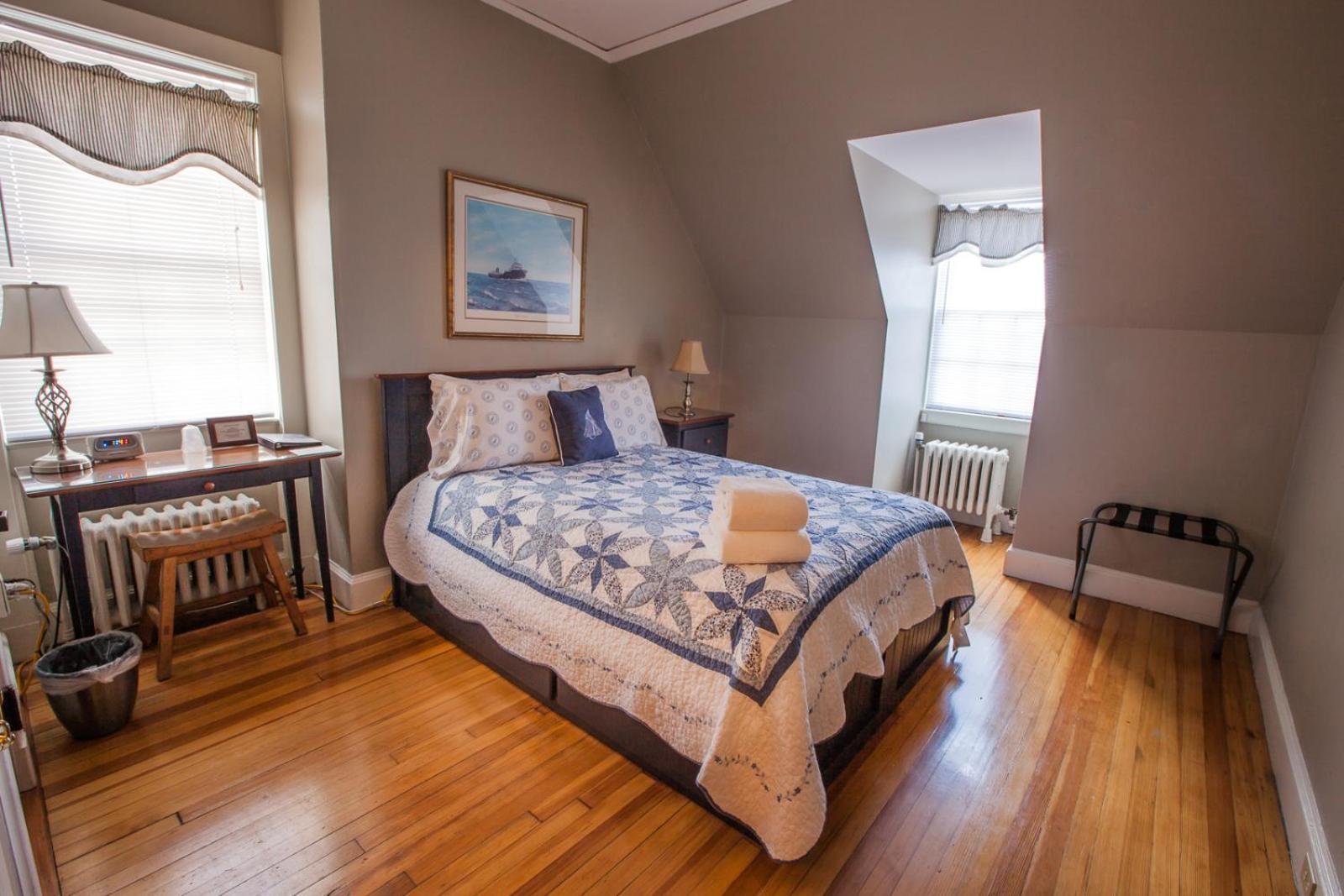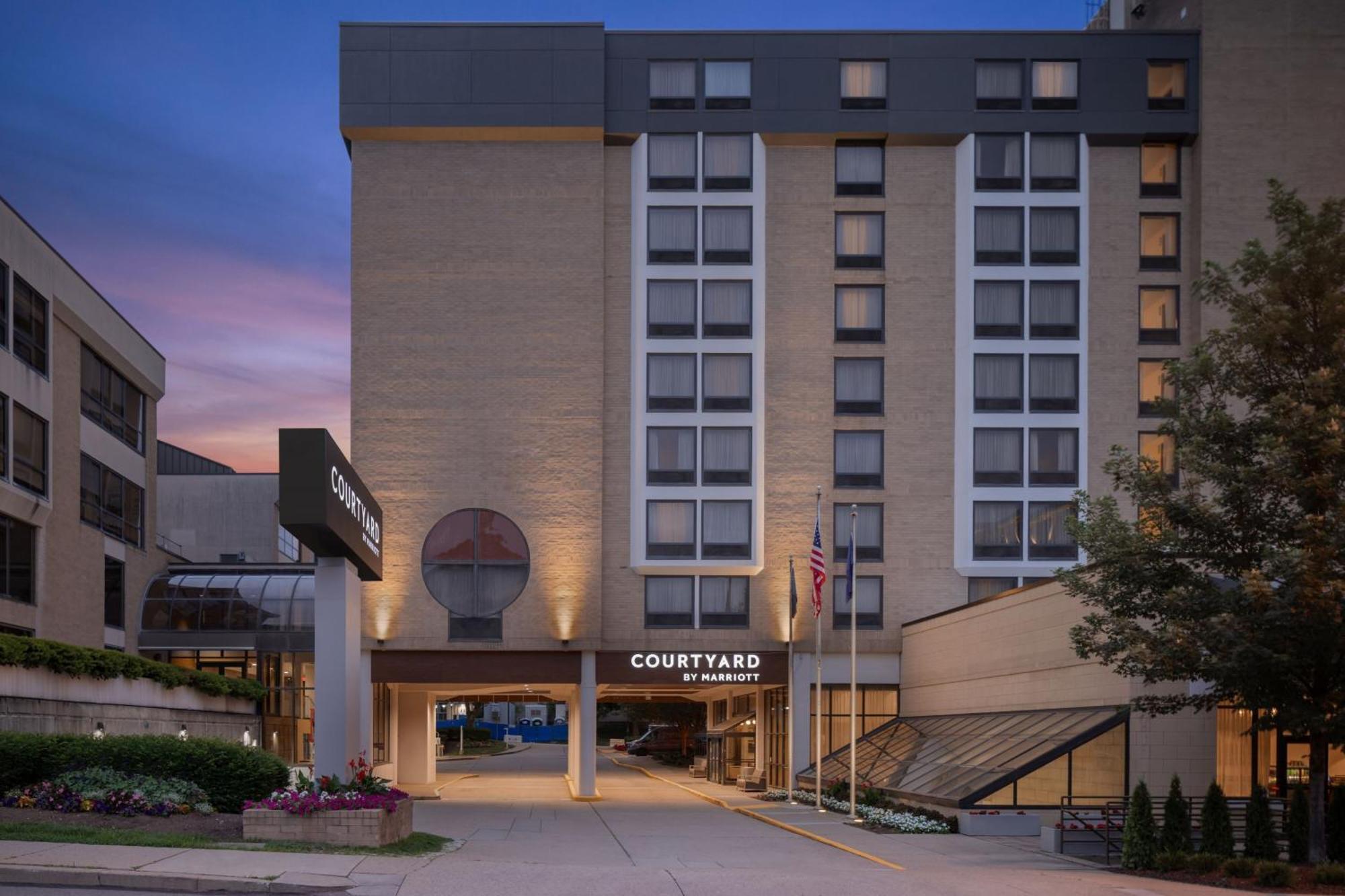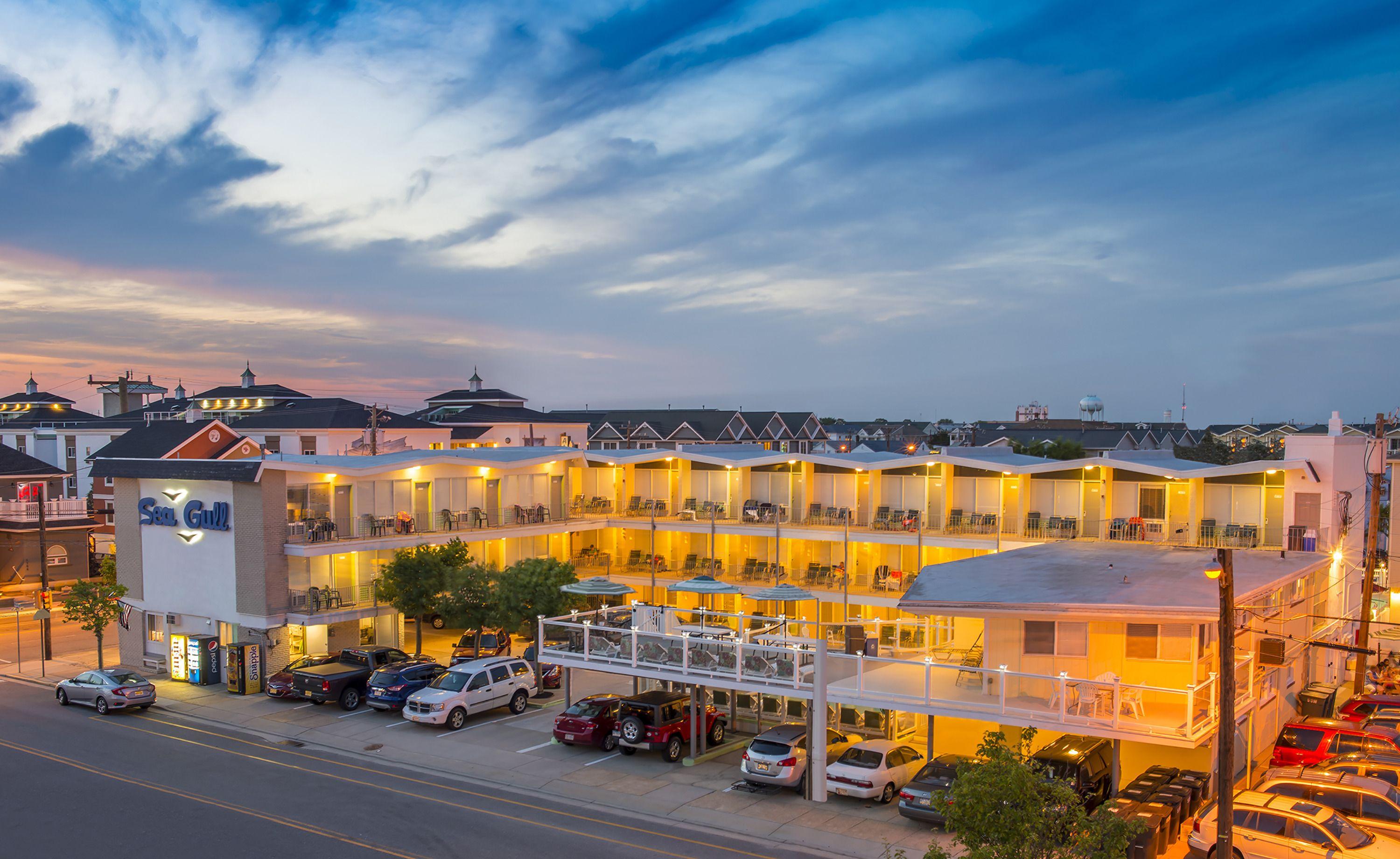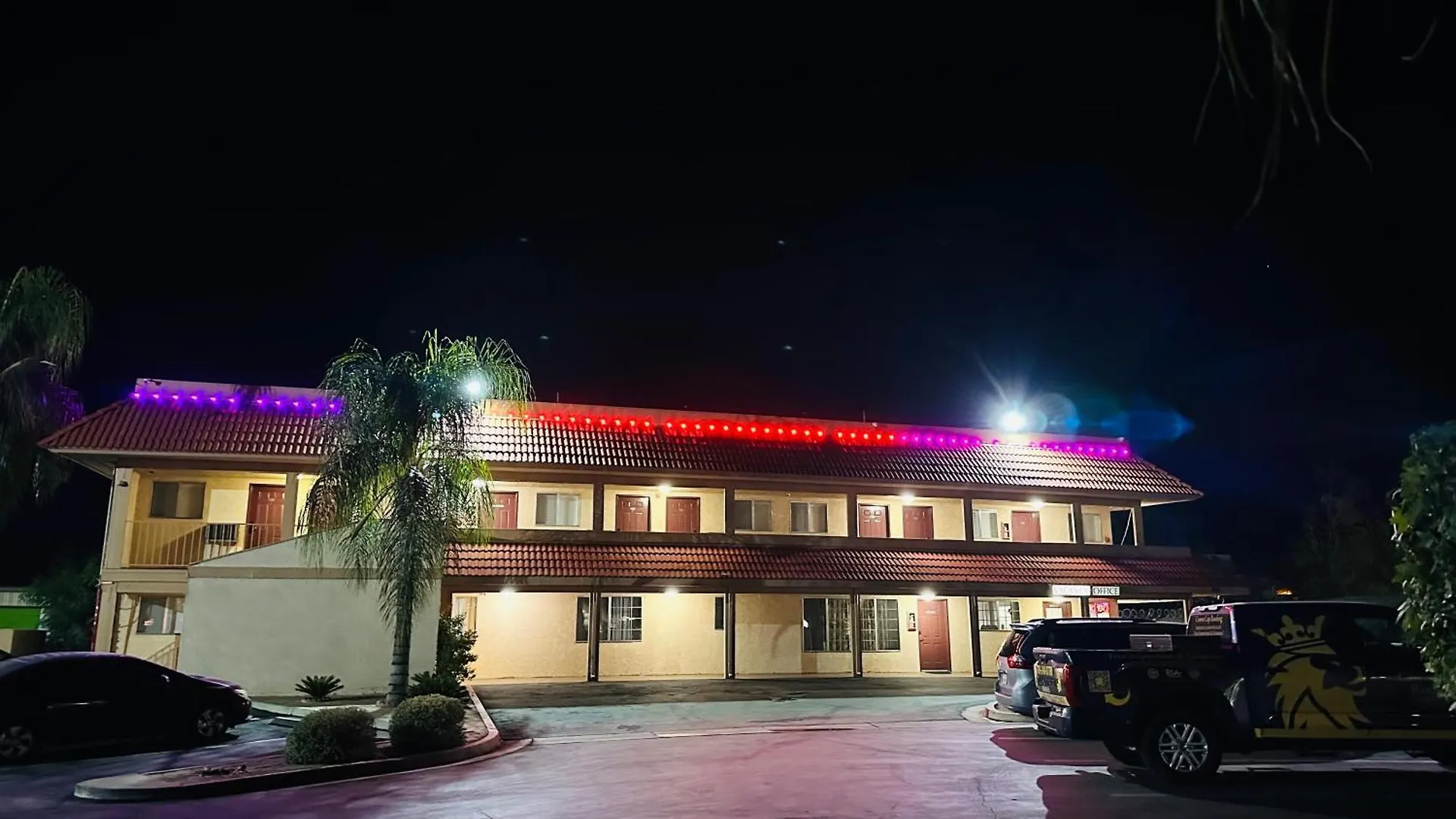
California stretches over 1,600 kilometers of coastline, mountain ranges, desert valleys, and urban cores - making where you stay as important as the destination itself. These 15 centrally located hotels are positioned across key California regions, from the Pacific Coast Highway to the Sierra Nevada foothills, giving travelers a practical base for exploring the state's most visited corridors without burning hours on the road.
What It's Like Staying In California
California is not a single destination - it is a network of distinct regions, each with its own traffic rhythms, climate, and traveler profile. Interstate 5 and Highway 1 are the two main arteries, but without a car, mobility drops sharply outside San Francisco and Los Angeles. Crowds peak hard in summer along the coast and ski zones, while desert and inland areas stay quieter until spring wildflower season hits.
Urban stays in LA or the Bay Area attract business and culture travelers, while mountain and coastal zones draw outdoor enthusiasts, families, and road-trippers. Booking at least 6 weeks ahead is standard practice for summer travel, especially near national parks and beach towns. Travelers who prefer walkable density and transit access will be better served by San Francisco; those who need flexibility and open space fit the rest of California better.
Pros:
- Unmatched geographic variety - beach, desert, mountains, and wine country within a single state
- A well-developed highway system makes self-drive itineraries highly practical
- Centrally located hotels across regions offer quick access to major parks, beaches, and urban attractions
Cons:
- Traffic congestion in LA and Bay Area corridors can add significant time to short distances
- Peak-season pricing along the coast and near Yosemite rises sharply from June through August
- Public transit outside San Francisco is limited, making a rental car nearly essential
Why Choose Centrally Located Hotels In California
Centrally located hotels in California are defined not by luxury tier but by proximity to transport links, key attractions, and practical services - the kind of positioning that saves time rather than just looks good on a map. A well-placed mid-range hotel in Oakhurst, for example, puts you within 24 km of Yosemite's south entrance, compared to paying a premium inside the park with limited dining options nearby. In coastal zones like Huntington Beach or Catalina Island, central positioning means walking access to beaches and restaurants without needing a car for every errand.
Price differences between centrally located and peripheral options in California vary by zone - in Desert Hot Springs, you gain proximity to Palm Springs amenities at around 30% lower nightly rates than staying on Palm Canyon Drive directly. Room sizes at these hotels tend to be standard to generous, particularly in motel-format properties along I-10 or Highway 101 corridors. Trade-offs include occasional road noise near interstates and less curated atmospheres than boutique alternatives, but the logistical gains consistently outweigh these for road-trip and activity-focused travelers.
Pros:
- Strategic positioning near freeway exits and regional airports reduces transit time significantly
- Free parking is standard at most centrally located California highway hotels
- Many properties include kitchenettes or in-room appliances, lowering meal costs on longer stays
Cons:
- Central highway-adjacent hotels often trade ambiance for practicality - interiors can feel dated
- Properties near I-10 or I-5 corridors can generate noticeable traffic noise at night
- Limited on-site dining at value-tier central hotels requires planning meals around nearby options
Practical Booking & Area Strategy
California's geography rewards travelers who match their hotel location to their itinerary rather than defaulting to the nearest city. For Yosemite access, Oakhurst and Mariposa are the two gateway towns worth prioritizing - both sit on Route 41 and offer hotel infrastructure at a fraction of in-park lodging rates. For coastal Southern California, Huntington Beach provides direct Pacific Coast Highway access with hotel options that put you across the street from the surf, while Catalina Island requires a ferry from Long Beach or Dana Point, making an island-side hotel far more efficient than a mainland base. San Marcos is the strategic choice for San Diego County exploration - positioned between the coast and wine country, with McClellan-Palomar Airport just 13 km away. In the Eastern Sierra, Mammoth Lakes serves both winter ski access and summer hiking via Highway 395, and Holiday Haus sits within walking distance of the Village Gondola. Book ski-season stays in Mammoth and Olympic Valley at least 8 weeks in advance, as rooms at accessible price points sell out fast from December through March. For Big Bear Lake and Desert Hot Springs, spring shoulder season offers the best balance of weather, price, and crowd levels.
Best Value Stays
These properties deliver strong logistical positioning across California's key corridors at accessible price points, covering everything from Inland Empire freeway access to the Mendocino Coast.
-
1. Americas Best Value Inn Calimesa
Show on map


 Check-infrom 14:00 until 23:59Check-outuntil 11:00
Rooms filling fast – secure the best rate!
fromUS$ 76
-
2. Santa Fe Inn Los Angeles
Show on map


 Check-infrom 15:00 until 23:59Check-outuntil 10:00
Just a few rooms left at the best rate!
fromUS$ 90
-
3. Motel 6 Fort Bragg, Ca
Show on map


 Check-infrom 15:00 until 23:59Check-outuntil 11:00
Best price guarantee
fromUS$ 70
-
4. Studio 6 Suites Stockton, Ca Waterfront
Show on map


 Check-infrom 15:00 until 23:59Check-outuntil 11:00
Hurry – almost gone at this price!
fromUS$ 59
-
5. Holiday Haus
Show on map


 Check-infrom 14:00 until 23:59Check-outuntil 11:00
Just a few rooms left at the best rate!
fromUS$ 92
-
6. Mariposa Lodge
Show on map


 Check-infrom 16:00 until 22:00Check-outfrom 07:00 until 11:00
Hurry – almost gone at this price!
fromUS$ 89
Best Mid-Range & Premium Stays
These properties offer higher-tier positioning, stronger amenity sets, and location advantages tied to California's most in-demand destinations - from beachfront Huntington to alpine Olympic Valley.
-
1. Hampton Inn San Marcos
Show on map


 Check-infrom 15:00 until 23:59Check-outuntil 11:00
Rooms filling fast – secure the best rate!
fromUS$ 118
-
8. Fairfield Inn & Suites By Marriott Oakhurst Yosemite
Show on map


 Check-infrom 16:00 until 23:59Check-outuntil 11:00
Just a few rooms left at the best rate!
fromUS$ 107
-
3. Onsen Hotel And Spa
Show on map


 Check-infrom 15:00 until 23:59Check-outuntil 11:00
Hurry – almost gone at this price!
fromUS$ 106
-
4. Getaways At Olympic Village Inn
Show on map


 Check-infrom 16:00 until 23:59Check-outuntil 11:00
Best price guarantee
fromUS$ 198
-
5. Noon Lodge
Show on map


 Check-infrom 15:00 until 23:59Check-outuntil 10:00
Hurry – almost gone at this price!
fromUS$ 282
-
6. Catalina Island Seacrest Inn
Show on map


 Check-infrom 16:00 until 18:00Check-outuntil 11:00
Just a few rooms left at the best rate!
fromUS$ 185
-
7. Catalina Courtyard Suites
Show on map


 Check-infrom 15:00 until 22:00Check-outfrom 08:00 until 11:00
Best price guarantee
fromUS$ 299
-
8. Beck'S Motor Lodge
Show on map


 Check-infrom 15:30 until 23:59Check-outuntil 11:00
Best price guarantee
fromUS$ 142
-
9. The Waterfront Beach Resort, A Hilton Hotel
Show on map


 Check-infrom 16:00 until 23:30Check-outfrom 10:00 until 11:00
Rooms filling fast – secure the best rate!
fromUS$ 219
Smart Travel & Timing Advice for California Hotels
California's travel calendar is not uniform - peak season shifts by region, and getting the timing right can mean the difference between a seamless trip and a sold-out, overpriced scramble. June through August is peak season statewide, with coastal hotels in Huntington Beach, Catalina Island, and Mendocino filling up quickly and nightly rates climbing sharply. Yosemite gateway towns like Oakhurst and Mariposa see their highest demand from May through September; Fairfield Inn and Mariposa Lodge both benefit from advance bookings during this window, ideally placed around 8 weeks before arrival. The Desert Hot Springs and Palm Springs corridor peaks in spring - March and April draw the largest crowds for festivals and warm-weather escapes, while summer heat pushes most visitors away and rates at Onsen Hotel and Spa drop accordingly. Mammoth Lakes and Olympic Valley follow a ski-driven calendar: December through March demands early booking, while June through September offers alpine hiking with significantly more availability. Big Bear Lake's shoulder seasons - May and October - offer the best combination of mild weather, lower prices, and reduced crowds at Noon Lodge. Fort Bragg and the Mendocino Coast are least crowded in winter but remain accessible year-round, making Motel 6 Fort Bragg a genuinely low-competition option from November through February. For San Francisco stays at Beck's Motor Lodge, the city runs at moderate visitor levels year-round, though summer fog is a consistent reality that surprises many first-time visitors.