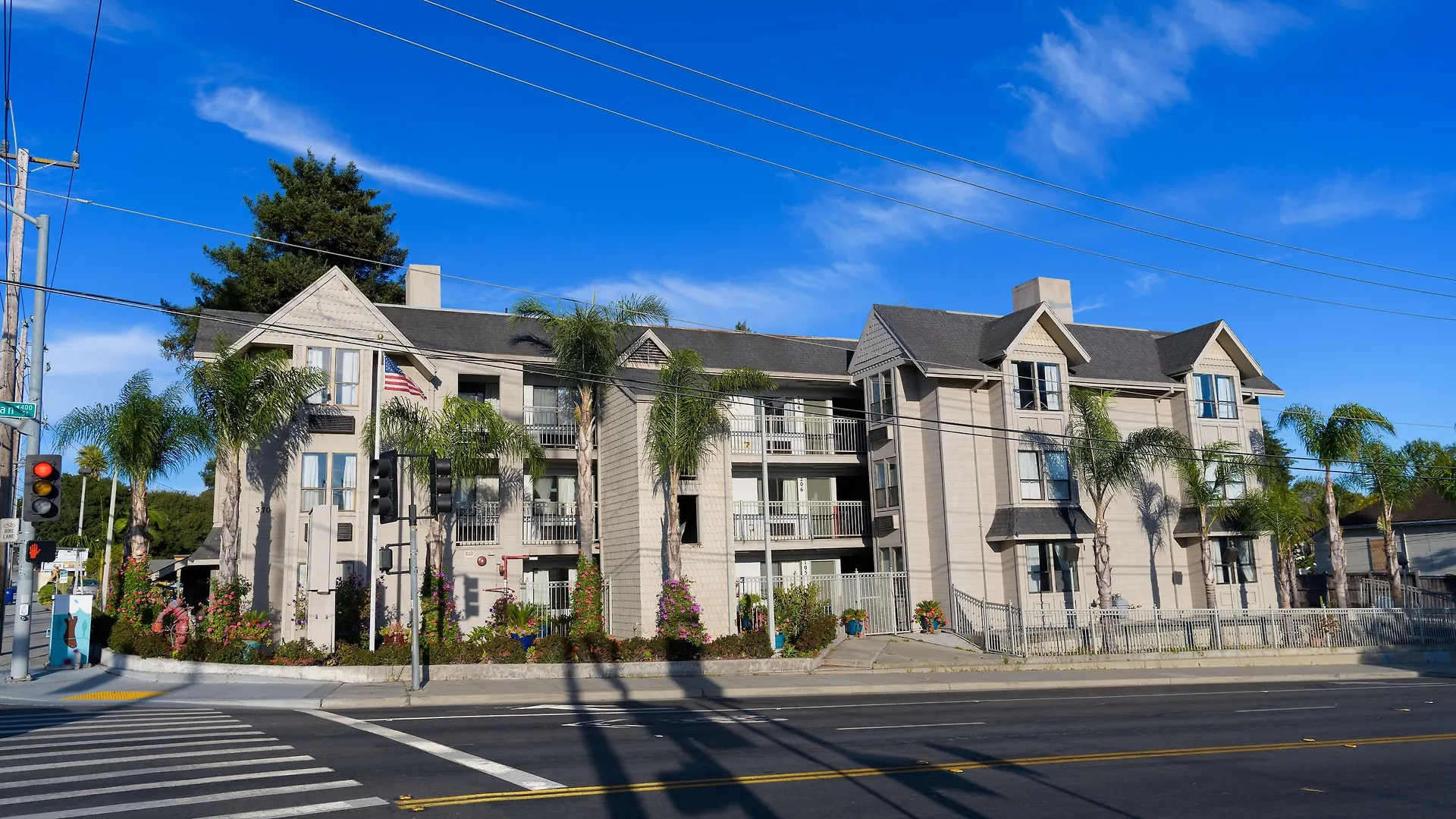
Monterey Bay stretches across one of California's most distinctive coastal regions, connecting the redwood-backed city of Santa Cruz to the agricultural flatlands of Salinas, with the oceanfront town of Monterey anchoring the middle. Staying in a centrally located hotel here means quick access to marine sanctuaries, historic boardwalks, world-class aquariums, and whale-watching departures - all without the price tag of a resort. This guide covers 4 central hotels across Monterey Bay's key cities, with concrete positioning insights to help you book the right property for your specific itinerary.
What It's Like Staying in Monterey Bay
Monterey Bay is not a single city - it is a bay-spanning region where Santa Cruz, Monterey, Marina, and Salinas each offer a distinct travel rhythm. Santa Cruz draws younger crowds with its boardwalk and surf culture, while Monterey city attracts aquarium visitors and whale-watch bookings year-round. Traffic on Highway 1 during summer weekends can add 45 minutes to coastal drives, which makes your hotel's positioning more critical than in a compact urban center. Salinas, inland and off Highway 101, is quieter and significantly more affordable, but requires a car for nearly every activity. Monterey Bay's coastal fog is a real logistical factor - mornings at the beach are often overcast until noon, which influences how you plan day trips.
Pros:
- Central hotels give direct access to the Monterey Bay Aquarium, Santa Cruz Beach Boardwalk, and Elkhorn Slough without lengthy commutes
- Free parking is standard at most mid-range and motel properties across the region, eliminating a major urban cost
- The bay's marine sanctuary means whale-watching, kayaking, and sea otter spotting are accessible within minutes of central coastal accommodations
Cons:
- The region lacks a single walkable hub - most attractions require a car regardless of hotel location
- Coastal properties face heavy summer demand, and popular spots like Cannery Row can feel congested from June through August
- Inland stays in Salinas trade coastal scenery for affordability, but distances to the ocean average around 30 minutes by car
Why Choose Central Hotels in Monterey Bay
Central hotels in Monterey Bay occupy a practical middle ground: they are positioned on or near main transit corridors like Highway 1 and Highway 101, close to the region's top draws, without the premium pricing of waterfront resorts. Motel-style central properties in this region frequently include free parking and free WiFi as standard - amenities that boutique coastal inns sometimes charge extra for. Room sizes at centrally positioned motels tend to be more generous than urban hotels elsewhere in California, with in-room microwaves and refrigerators common even at budget price points. The trade-off is that these properties rarely offer on-site dining beyond breakfast service, and ambiance is functional rather than atmospheric.
Pros:
- Free on-site parking eliminates a daily cost that can reach around $30 at Monterey waterfront properties
- In-room kitchenette amenities (microwave, fridge, coffee maker) support self-catering and reduce meal costs along a region where restaurant prices are high
- Proximity to Highway 1 and Highway 101 makes day-tripping to Carmel-by-the-Sea, Big Sur, and Santa Cruz straightforward without navigating city traffic
Cons:
- Central motels in this region are rarely within walking distance of top attractions - a car is non-negotiable
- Properties on or near Highway corridors can experience road noise, particularly at lighter-insulated motel buildings
- Limited on-site food and beverage options mean you depend on nearby restaurants or grocery runs for meals
Practical Booking & Area Strategy for Monterey Bay
Choosing where to base yourself within Monterey Bay depends almost entirely on your itinerary priorities. Santa Cruz is the best base for visitors focused on the Beach Boardwalk, the Natural Bridges State Beach, and the UC Santa Cruz Arboretum - and it positions you within easy reach of Highway 1 heading south toward Monterey. Marina sits just north of Monterey city and is the region's most underrated positioning: it provides access to Marina State Beach, California State University Monterey Bay, and the Bayonet Black Horse Golf Course, at lower nightly rates than Cannery Row properties. Salinas, set inland along Highway 101, is the right choice if you are visiting the National Steinbeck Center, attending events at Mazda Raceway Laguna Seca, or need a quieter, more affordable base with driving access to Monterey Bay Aquarium in around 30 minutes. Book at least 6 weeks ahead for summer stays across all three cities - Santa Cruz and Monterey in particular see high occupancy from mid-June through Labor Day, and last-minute rates can spike sharply.
Best Value Stays
These centrally positioned properties deliver strong location access and essential amenities at the most accessible price points across the Monterey Bay region.
-
1. Old Marina Inn
Show on map


Just a few rooms left at the best rate!
fromUS$ 89
-
2. Motel Santa Cruz
Show on map


Just a few rooms left at the best rate!
fromUS$ 65
-
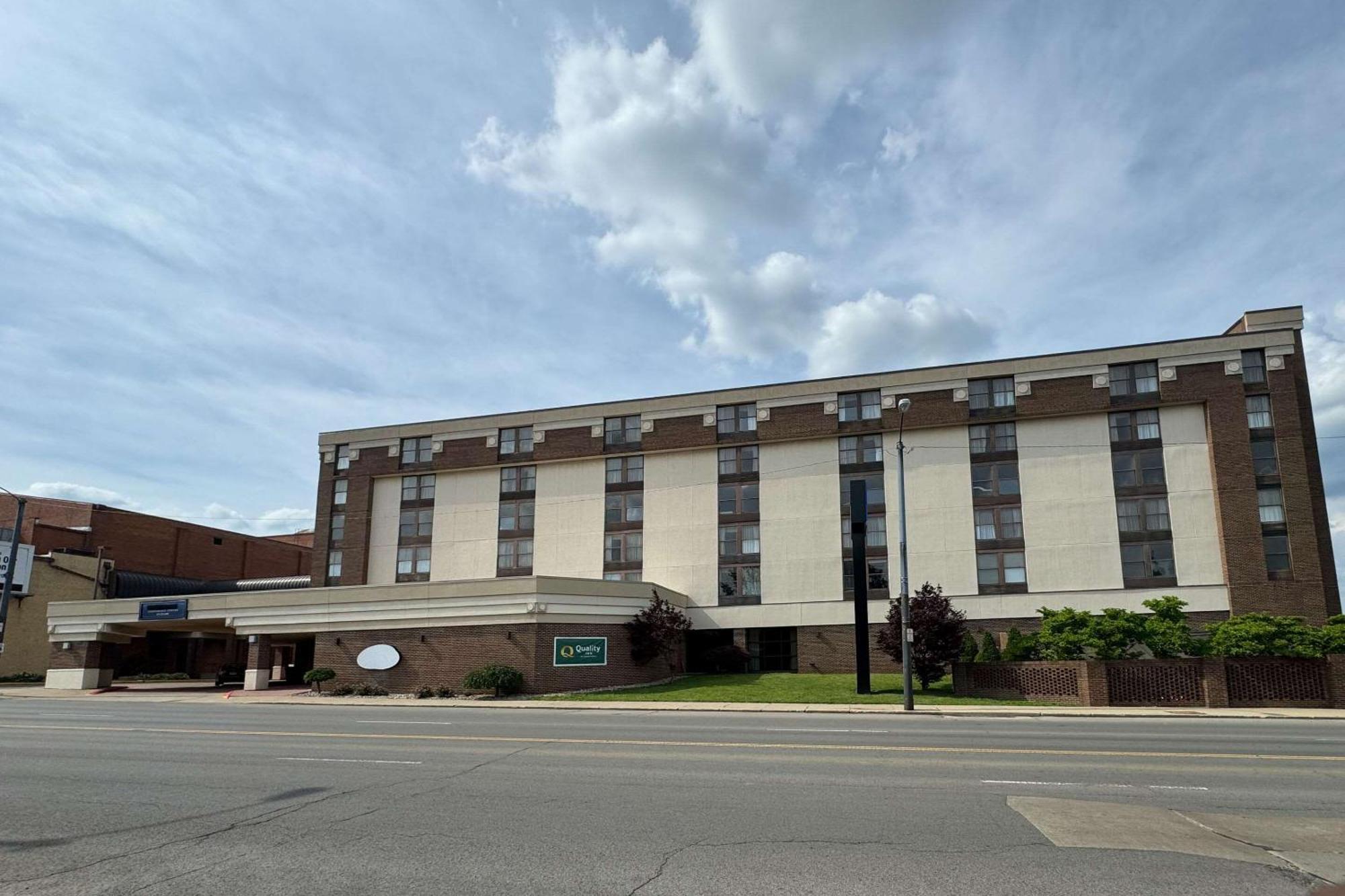
3. Howard Johnson By Wyndham Salinas
Show on map


Hurry – almost gone at this price!
fromUS$ 115
Best Premium Option
For travelers who want additional space, a pool, and Santa Cruz's attractions within a short drive, this property stands out as the top-tier pick among central Monterey Bay hotels.
-
4. Continental Inn
Show on map


Rooms filling fast – secure the best rate!
fromUS$ 172
Smart Travel & Timing Advice for Monterey Bay
Monterey Bay's peak season runs from mid-June through early September, when the Santa Cruz Boardwalk operates at full capacity and Monterey's whale-watching tours book out days in advance. Visiting in September or October offers the region's most reliable sunny weather - the marine layer that blankets the coast in June and July typically burns off faster in fall, and crowds thin noticeably after Labor Day. Winter months bring gray skies but dramatically lower hotel rates, and humpback whale sightings are still common through November as feeding activity peaks in the bay. A minimum 3-night stay makes the most logistical sense for Monterey Bay: one day for Santa Cruz, one for Monterey and the aquarium, and one for Carmel or Big Sur. For Salinas-based stays, 2 nights is sufficient unless your itinerary includes Laguna Seca events or extended Steinbeck country exploration. Book central hotels at least 6 weeks ahead for summer; off-season travelers can often find last-minute availability at significant discounts, particularly at the motel-tier properties in Marina and Salinas.