The New York Metropolitan area spans five states, dozens of cities, and hundreds of distinct neighborhoods - making your choice of base far more consequential than in most destinations. Whether you're anchored in Rockland County, the Jersey Shore, the Hudson Valley, or Long Island's North Fork, where you stay determines what you can realistically do each day. This guide compares 15 centrally located hotels across the metro region to help you make a strategic, well-informed booking decision.
What It's Like Staying in the New York Metropolitan Area
The New York Metro region is not a single destination - it's a sprawling network of commuter towns, beach communities, river valleys, and suburban corridors that all orbit the city but function very differently from one another. Staying in Orangeburg feels nothing like staying in Greenport or Brigantine; transit access, walkability, and crowd density shift dramatically depending on which sub-region you choose. Travelers who pick the wrong base often spend more time commuting than exploring. Understanding the rhythm of each pocket - whether it's the quiet of the Hudson Valley or the weekend beach rush on Long Island - is essential before booking.
The metro area's transport network is extensive but uneven. Some areas like Hazlet and Orangeburg have direct rail or highway access to Manhattan, while others like Greenport or Ship Bottom require a car. Weekend traffic on the Garden State Parkway and Route 9W can add around 90 minutes to otherwise short drives, particularly in summer. Families, business travelers, and weekend-getaway visitors each find different value propositions across the region's hotel stock.
Pros:
- Enormous variety of environments within a single metro - ocean beaches, mountain valleys, urban corridors, and wine country all within roughly 100 km of Manhattan
- Strong highway and rail infrastructure means most sub-regions connect to NYC for day trips without requiring a full city hotel budget
- Seasonal flexibility: shoulder-season stays (October-April outside beach towns) offer significantly lower rates and fewer crowds
Cons:
- Car dependency is high across most sub-regions - arriving without a vehicle in areas like Lake Katrine or Ship Bottom limits mobility severely
- Peak summer weekends drive occupancy up sharply in shore and Hudson Valley properties, reducing last-minute availability
- The metro's geographic spread means a poorly chosen base can result in long drives to attractions that seemed close on a map
Why Choose Centrally Located Hotels in the New York Metro Area
Centrally located hotels in the New York Metropolitan area are defined less by proximity to Times Square and more by their position relative to local transit hubs, highways, and activity clusters within each sub-region. A central hotel in Orangeburg sits minutes from the Palisades Center and quick highway access toward the George Washington Bridge, while a central property in Greenport places you walking distance from ferry terminals, wineries, and the North Fork's main dining strip. The strategic advantage of choosing a well-positioned property is that it cuts transport time and keeps more of your day productive.
Compared to full Manhattan hotel rates, which average well above $300 per night, metro-area centrally located hotels typically come in at significantly lower price points while still offering amenities like indoor pools, fitness centers, and free parking - a near-impossible combination inside the five boroughs. Free parking alone saves travelers around $50 per night compared to Manhattan garage rates. Room sizes in metro-area hotels are also meaningfully larger, with many properties offering suite-style layouts or kitchenettes that make longer stays or family trips genuinely practical.
Pros:
- Free parking is standard across most metro-area central hotels, a significant cost advantage over NYC proper
- Suite and extended-stay formats with full kitchens are widely available, reducing food costs on multi-night trips
- Central positioning within each sub-region typically means walkable access to local dining, retail, or transit without needing to drive for every errand
Cons:
- "Central" in the metro context rarely means walkable to major NYC attractions - most properties require at least one transfer or a drive to reach Manhattan
- Hotel quality and amenity standards vary widely across the region's price spectrum, making research essential
- Some centrally located properties in smaller towns (Milford, Beacon, Ocean Grove) fill up weeks in advance during peak season, limiting flexible booking
Practical Booking & Area Strategy for the New York Metro
The most strategically sound hotel positions in the metro area cluster around three corridors: the Route 9W/Palisades Parkway corridor (Orangeburg, serving Rockland County and quick GWB access), the Hudson Valley spine (Beacon, Lake Katrine, Fishkill), and the New Jersey Shore highway belt (Hazlet, Berkeley Heights, Brigantine). Long Island's North Fork - Greenport and Southampton - functions as a separate micro-market driven almost entirely by seasonal tourism and wine-country visitors. For travelers who want day-trip flexibility into Manhattan, properties in Orangeburg or Hazlet offer the most practical balance of cost, parking, and transit access.
For Hudson Valley explorers, Beacon and Fishkill position you within reach of Dia Beacon, Storm King Art Center, West Point, and the Catskills without committing to resort pricing. The North Fork's Greenport is best approached as a dedicated destination stay - ferry access to Shelter Island, proximity to Kontokosta and other top wineries, and the area's boutique dining scene justify the commitment. Book Hudson Valley and North Fork properties at least 6 weeks ahead for summer and fall foliage weekends, when occupancy across both corridors pushes into the high nineties. Shore properties in Brigantine, Ship Bottom, and Ocean Grove follow a similar pattern for July and August.
Best Value Stays
These properties deliver strong practical value - free parking, solid amenities, and well-positioned access to key metro sub-region attractions - at competitive price points that suit budget-conscious travelers, extended stays, and families.
-
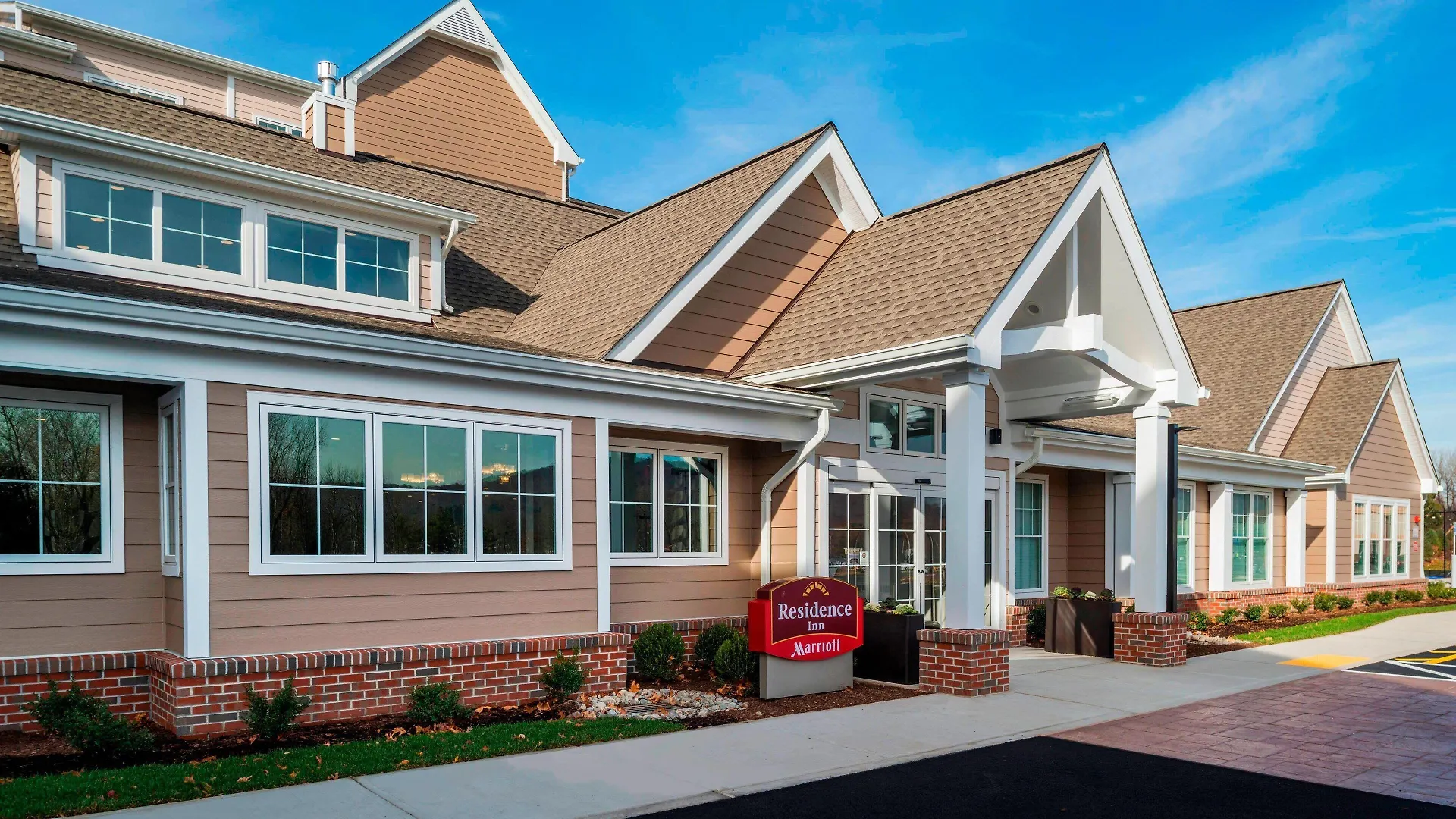
1. Residence Inn By Marriott Orangeburg
Show on map


 Check-infrom 16:00 until 23:59Check-outuntil 11:00
Best price guarantee
fromUS$ 206
-
2. Holiday Inn Orangeburg - Rockland / Bergen
Show on map


 Check-infrom 15:00 until 23:59Check-outuntil 11:00
Best price guarantee
fromUS$ 60
-
3. Holiday Inn Express & Suites Kingston-Ulster By Ihg
Show on map


 Check-infrom 16:00 until 23:59Check-outuntil 11:00
Best price guarantee
fromUS$ 278
-
4. Country Inn Of Hazlet
Show on map


 Check-infrom 15:00 until 23:59Check-outfrom 09:00 until 11:00
Hurry – almost gone at this price!
fromUS$ 114
-
5. Best Western Hazlet Inn
Show on map


 Check-infrom 15:00 until 23:59Check-outuntil 12:00
Just a few rooms left at the best rate!
fromUS$ 76
-
6. Drifting Sands Oceanfront Hotel
Show on map


 Check-infrom 16:00 until 23:30Check-outuntil 11:00
Hurry – almost gone at this price!
fromUS$ 179
-
7. The Ocean Plaza Hotel
Show on map


 Check-infrom 14:00 until 18:00Check-outuntil 11:00
Best price guarantee
fromUS$ 134
-
8. Boardwalk Resorts- La Sammana
Show on map


 Check-infrom 16:00 until 23:59Check-outfrom 05:00 until 11:00
Just a few rooms left at the best rate!
fromUS$ 99
Best Premium Stays
These properties offer elevated amenities, distinctive settings, or standout positioning within their respective sub-regions - suited to travelers who prioritize experience, comfort, or unique character alongside logistical convenience.
-
1. HYATT house Fishkill/Poughkeepsie
Show on map


 Check-infrom 16:00 until 23:59Check-outuntil 12:00
Rooms filling fast – secure the best rate!
fromUS$ 133
-
2. Embassy Suites By Hilton Berkeley Heights
Show on map


 Check-infrom 16:00 until 23:59Check-outuntil 11:00
Just a few rooms left at the best rate!
fromUS$ 259
-
3. The Roundhouse
Show on map


 Check-infrom 15:00 until 23:59Check-outfrom 10:00 until 11:00
Best price guarantee
fromUS$ 302
-
4. The Menhaden Hotel
Show on map


 Check-infrom 15:00 until 23:30Check-outuntil 11:00
Rooms filling fast – secure the best rate!
fromUS$ 499
-
5. The Harbor Front Inn
Show on map


 Check-infrom 16:00 until 23:00Check-outuntil 11:00
Best price guarantee
fromUS$ 329
-
6. Harpoon House
Show on map


 Check-infrom 15:00 until 23:59Check-outuntil 12:00
Rooms filling fast – secure the best rate!
fromUS$ 113
-
7. Hotel Fauchere
Show on map


 Check-infrom 16:00 until 23:59Check-outuntil 11:00
Hurry – almost gone at this price!
fromUS$ 390
Smart Travel & Timing Advice for New York Metro Hotels
Timing your stay in the New York Metropolitan area has a significant impact on both price and experience. July and August are the peak months for all shore properties - Ocean Grove, Brigantine, Ship Bottom, and Southampton-area hotels see occupancy climb sharply, and rates can increase by around 60% versus spring pricing. For Hudson Valley and North Fork properties, fall foliage season (late September through October) creates a secondary peak that catches many travelers off guard: Beacon, Fishkill, and Greenport properties fill up on weekends, and last-minute availability becomes scarce.
The lowest rates across most of the metro region occur from November through March, with the exception of holiday weekends. Business-oriented properties in Orangeburg, Hazlet, and Berkeley Heights often offer meaningfully better weekend rates than weekday rates, since their core clientele is corporate - a useful pattern to exploit for leisure travelers. Booking at least 6 weeks ahead for any summer shore stay is strongly advisable, while mid-week Hudson Valley stays in spring or autumn often yield both lower prices and thinner crowds at key attractions like Dia Beacon and Storm King. For most sub-regions, a two-night minimum stay gives you enough time to actually engage with local restaurants, wineries, or beaches without spending half your visit in transit.