Arizona's landscape - red rock canyons, Sonoran Desert plains, and Navajo Nation monuments - sets an unusually high bar for hotels that want to feel architecturally relevant to their surroundings. The 11 properties in this guide were selected for how their design, positioning, and character respond to that environment, whether that means dark wood interiors near Monument Valley, historic rail-era architecture in Williams, or casino-integrated resort planning outside Tucson. This is a decision-focused comparison to help you match the right property to your itinerary, travel style, and budget.
What It's Like Staying in Arizona
Arizona is a state where geography dictates everything about how you travel. With over 22 national parks, monuments, and recreation areas - including the Grand Canyon, Monument Valley, and Antelope Canyon - most stays here are base-camp oriented rather than walkable city breaks. A car is essentially mandatory for reaching nearly every landmark, with drive times between major attractions often exceeding two hours. Phoenix and Tucson function as urban anchors, but the most memorable lodging experiences sit in smaller towns like Williams, Page, Kayenta, and Chinle, where proximity to natural wonders is the primary asset.
Crowds peak sharply between March and May and again in October, driven by optimal temperatures and school holiday overlap. Summers bring extreme heat - regularly above 40°C in lower-elevation areas - which thins crowds but limits outdoor activity windows. Travelers who benefit most from Arizona's accommodation scene are road-trippers, national park visitors, photography enthusiasts, and those drawn to Native American cultural heritage. Urban short-break travelers expecting walkable nightlife or dense restaurant districts may find smaller Arizona towns underwhelming between landmarks.
Pros:
- Unmatched access to iconic natural landmarks directly from your hotel base
- Wide variety of accommodation positioning - from canyon-edge towns to desert highway corridors
- Relatively low hotel density near key monuments means less competition for property character
Cons:
- Car dependency is non-negotiable for most itineraries outside Phoenix and Tucson
- Smaller gateway towns offer limited dining and entertainment options after dark
- Peak season booking windows close fast - popular properties near the Grand Canyon fill up weeks in advance
Why Choose Exceptional Design Hotels in Arizona
In a state where the landscape is already visually overwhelming, the best design hotels earn their place by anchoring guests in the environment rather than distracting from it. Exceptional design properties in Arizona tend to reference local materials, Native American aesthetics, or historic architectural eras - Route 66 heritage, railroad history, and pueblo-influenced interiors appear repeatedly across the state's most characterful properties. These hotels typically price around 20-40% higher than standard chain properties in the same gateway town, but the trade-off is a stay that feels connected to the destination rather than interchangeable with any highway stop.
Room sizes at design-forward properties in smaller Arizona towns are often more compact than equivalent-priced urban hotels, but compensate with stronger visual identity - patios overlooking desert terrain, dark wood furniture that mirrors canyon geology, or historic pub interiors from the 1800s. The practical advantage is location: many of these properties sit within 1-2 miles of major park entrances or monument access points, eliminating the long commute that budget highway hotels require. Travelers on photography or heritage itineraries will find the character of these stays adds directly to the trip's value.
Pros:
- Interiors and positioning designed around Arizona's natural and cultural identity
- Shorter drive times to landmark entrances compared to generic highway alternatives
- On-site dining options that reflect regional cuisine - Native American-inspired menus, historic restaurant formats
Cons:
- Premium pricing versus standard chain options in the same corridor
- Availability is tighter, especially near Grand Canyon and Monument Valley during peak months
- Smaller towns surrounding design hotels offer few backup dining or entertainment options if on-site facilities are closed
Practical Booking & Area Strategy
Arizona's most strategic base camps fall into three geographic clusters: the northern canyon corridor (Williams, Page, Kayenta) for Grand Canyon, Lake Powell, Monument Valley, and Antelope Canyon access; the central desert corridor (Phoenix metro, Anthem) for airport connectivity and day-trip flexibility; and the southern corridor (Tucson, Marana, Tubac) for Saguaro National Park, Pima Air & Space Museum, and cross-border cultural tourism. Choosing the wrong cluster for your itinerary can add around 4 hours of unnecessary daily driving, so matching your hotel city to your core attraction list is the single most important booking decision in Arizona.
Williams and Page are the two towns with the highest concentration of character hotels within striking distance of multiple landmarks simultaneously - Williams puts you 50 km from Flagstaff and on historic Route 66, while Page positions you between Lake Powell, Antelope Canyon, and Rainbow Bridge in one base. Book northern Arizona properties at least 6 weeks ahead for March-May and September-October travel. Tucson and Marana offer better last-minute availability and stronger urban infrastructure, making them the more flexible choice for travelers with fluid itineraries. Yuma and Lake Havasu City function as standalone destination bases rather than multi-landmark hubs, suited to travelers with specific recreational goals like fishing, golf, or wildlife refuge visits.
Best Value Stays
These properties deliver strong location credentials and distinctive character at a more accessible price point, making them the practical anchor for budget-conscious road-trippers and families covering multiple Arizona landmarks in one trip.
-
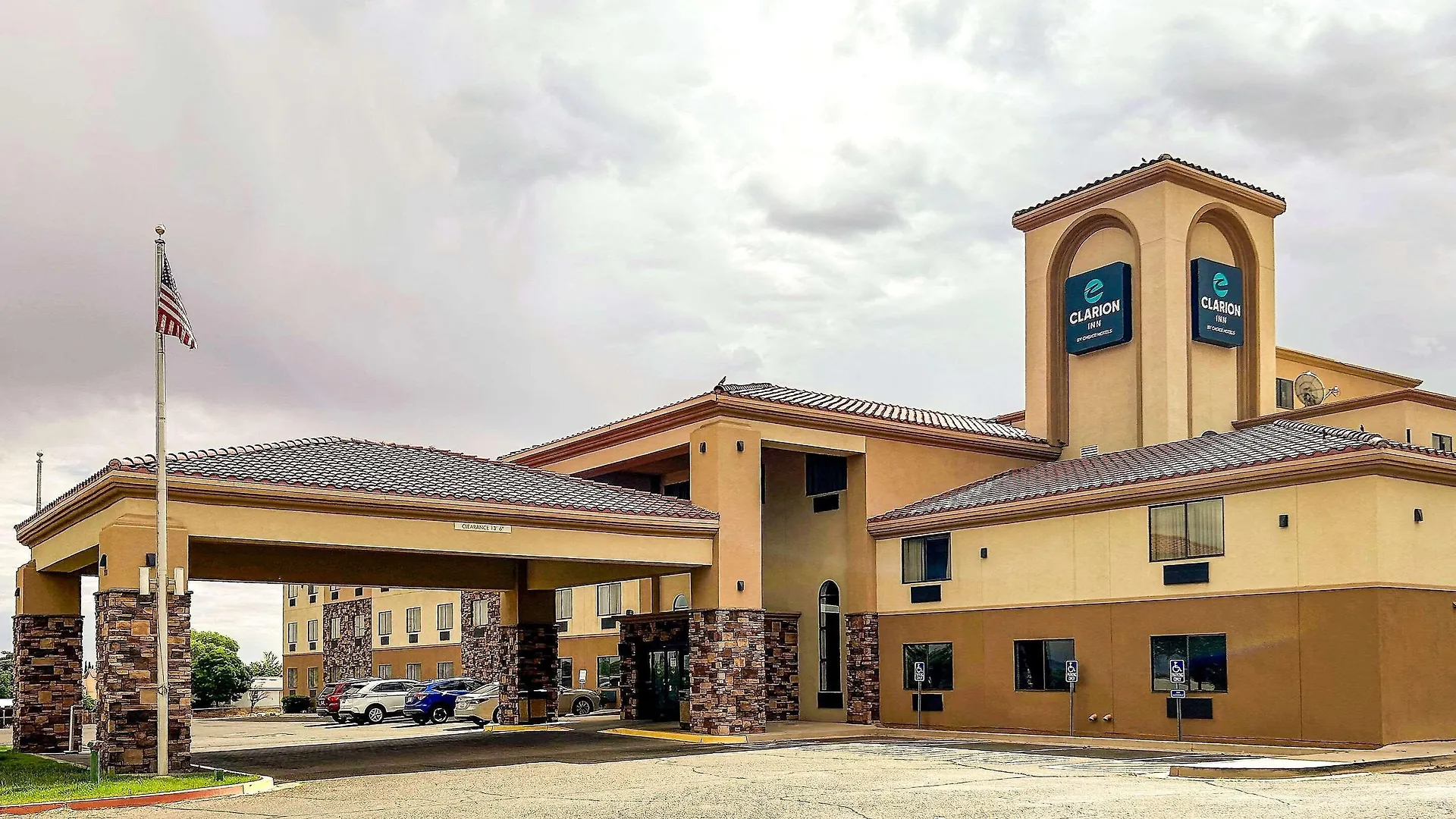
1. Clarion Inn Page - Lake Powell
Show on map


Hurry – almost gone at this price!
fromUS$ 79
-
2. Rodeway Inn & Suites Lake Havasu City
Show on map


Rooms filling fast – secure the best rate!
fromUS$ 73
-
3. Tubac Country Inn
Show on map


Hurry – almost gone at this price!
fromUS$ 135
-
4. Wingate By Wyndham Yuma
Show on map


Rooms filling fast – secure the best rate!
fromUS$ 118
-
5. Hampton Inn Phoenix/Anthem
Show on map


Rooms filling fast – secure the best rate!
fromUS$ 101
Best Premium Stays
These properties combine stronger design identity, landmark-adjacent positioning, or enhanced on-site facilities with a stay experience that justifies the higher investment - particularly for travelers spending multiple nights in one location and wanting more from their base than a functional sleep stop.
-
1. Grand Canyon Railway Hotel
Show on map


Just a few rooms left at the best rate!
fromUS$ 114
-
2. Grand Canyon Hotel & Suites
Show on map


Best price guarantee
fromUS$ 110
-
3. Thunderbird Lodge
Show on map


Just a few rooms left at the best rate!
fromUS$ 60
-
4. Kayenta Monument Valley Inn
Show on map


Best price guarantee
fromUS$ 79
-
5. Hampton Inn & Suites Tucson Marana
Show on map


Hurry – almost gone at this price!
fromUS$ 193
-
6. Desert Diamond Casino
Show on map


Just a few rooms left at the best rate!
fromUS$ 89
Smart Travel & Timing Advice for Arizona
Arizona's travel calendar is defined by temperature more than tourism trend. March through May is the most popular booking window, combining tolerable temperatures (typically 18-28°C at rim elevations), blooming desert wildflowers, and spring break overlap - this is when rooms near the Grand Canyon and Monument Valley fill fastest, often requiring bookings 6 weeks or more in advance for design-forward properties. October delivers nearly identical conditions with slightly thinner crowds, making it the tactical alternative for travelers with flexible schedules. June through August sees intense heat in lower-elevation areas like Yuma and Lake Havasu, which drops demand and prices at those properties by around 30%, rewarding heat-tolerant travelers with better value and emptier roads.
For the northern canyon corridor - Williams, Page, Kayenta - a minimum of 3 nights is practical to cover Grand Canyon, Antelope Canyon, and Monument Valley without compressing each visit into a rushed half-day. Tucson and Marana-based itineraries work well at 2 nights, covering Saguaro National Park, the Pima Air & Space Museum, and Tubac as a day trip. Last-minute bookings work in Tucson and Yuma year-round, but are high-risk near Grand Canyon at any time between February and November. Booking 8-10 weeks ahead for spring travel to northern Arizona properties is the most reliable approach to securing first-choice properties at non-inflated rates.