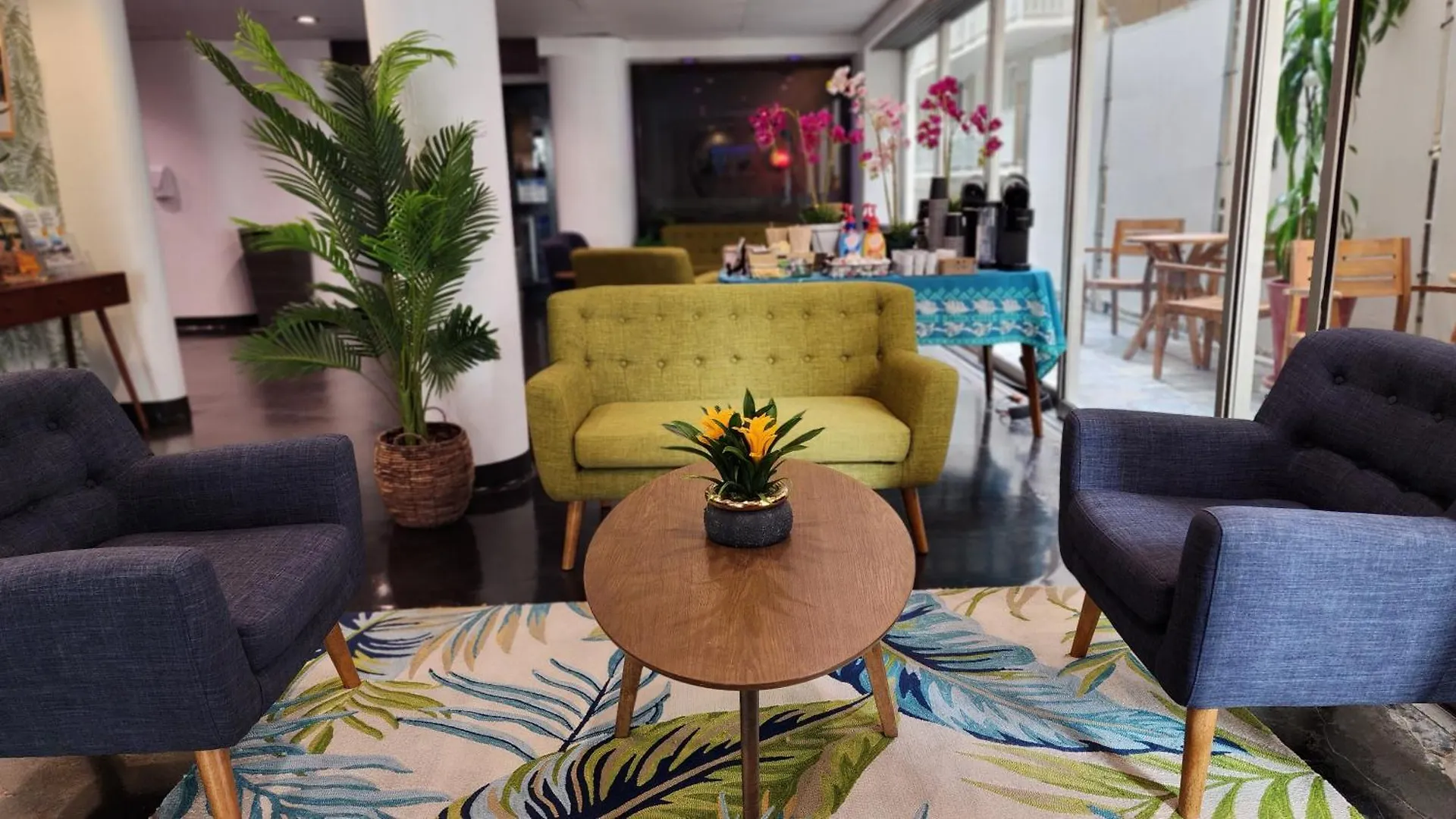
Waikiki concentrates more design-forward hotels per block than almost any beach district in the U.S. Pacific. From historic beachfront resorts with colonial architecture to sleek modern towers with rooftop pools and curated Hawaiian cultural programming, the range here is genuinely wide. This guide breaks down what staying in Waikiki actually looks like day-to-day, what design hotels deliver specifically in this zone, and which properties stand out based on real differentiators - not just star ratings.
What It's Like Staying in Waikiki
Waikiki is a dense, walkable strip roughly 2 kilometers long between the Ala Wai Canal and the Pacific Ocean. Most hotels sit within a 10-minute walk of the beach, but that walk looks very different depending on your block - some streets are calm and residential-adjacent, others are packed with tour groups and open-air souvenir stalls from 8am onward. The area runs on a resort rhythm: early beach crowds, midday shopping on Kalakaua Avenue, and a lively bar and restaurant scene after dark that stays active but rarely feels unsafe. The Waikiki Trolley and TheBus routes connect you to Ala Moana Center and downtown Honolulu, making car-free stays genuinely practical for most visitors.
Bus Route 20 links Waikiki to Honolulu Airport in around 60 minutes for under $3, while taxis and rideshares take around 25 minutes. The district rewards guests who want everything within reach - beach, dining, nightlife, cultural sites - but those prioritizing silence or seclusion will find the constant foot traffic and ambient noise a real trade-off.
Pros:
- Nearly every major attraction - Waikiki Beach, Honolulu Zoo, Waikiki Aquarium, Diamond Head trailhead - is reachable on foot or within a short drive
- Kalakaua Avenue and Kuhio Avenue offer dozens of dining options at every price point within a 5-minute walk of most hotels
- Strong public transport links to Ala Moana Center and downtown Honolulu make day trips easy without renting a car
Cons:
- Street-level noise from Kalakaua Avenue continues well into the night, making lower-floor rooms on main roads noticeably louder
- Waikiki parking is expensive and limited - most hotel garages charge around $45 per night
- The area draws heavy tourist foot traffic year-round, so expect crowded beaches, long waits at popular restaurants, and a commercial atmosphere that never fully switches off
Why Choose Design Hotels in Waikiki
Design hotels in Waikiki go beyond surface-level aesthetics - the strongest properties here integrate Hawaiian cultural identity into architecture, programming, and guest experience in ways that generic chain hotels don't attempt. That means rooftop pools with skyline and ocean views, curated local art, cultural activity calendars including hula and ukulele lessons, and food and beverage concepts built around local ingredients rather than generic resort menus. These properties typically price around 20% higher than standard Waikiki hotels at equivalent star levels, but the gap narrows significantly when amenity packages - beach gear rentals, cultural access, spa credits - are factored in.
Room sizes in design-forward Waikiki hotels vary considerably: boutique properties average around 28 square meters per room, while larger resort-style design hotels offer suites exceeding 70 square meters with full kitchens and private lanais. The trade-off in smaller design properties is real - you get more personality per square meter but less space, and balconies are not universal. Noise management also differs: older resort buildings with thick concrete construction tend to buffer street noise better than newer glass-facade boutique properties on Kuhio Avenue.
Pros:
- Design hotels in Waikiki consistently integrate authentic Hawaiian cultural programming - lei making, hula, ukulele - not found in standard accommodation
- Beachfront design properties offer exclusive beach areas, direct sand access, and ocean-view dining that justify premium pricing for beach-focused stays
- Several properties include substantial daily amenity packages covering beach gear, bike rentals, and fitness access, reducing total trip costs meaningfully
Cons:
- Daily destination or resort fees - typically between $30 and $45 - are standard across most design hotels in Waikiki and are rarely included in base rates shown online
- Boutique design properties in Waikiki often lack full-service dining, requiring guests to rely on nearby restaurants for most meals
- High-design rooms with floor-to-ceiling glass and modern facades can feel warmer during peak summer months despite air conditioning
Practical Booking & Area Strategy for Waikiki
Location within Waikiki matters more than most travelers realize before arrival. Hotels on or directly adjacent to Kalakaua Avenue - the main oceanfront boulevard - offer the shortest beach access and most immersive resort atmosphere, but absorb the highest noise levels. Properties one block inland on Kuhio Avenue or side streets like Koa Avenue and Liliuokalani Avenue are noticeably quieter while remaining within a 5-minute walk of the water. For guests prioritizing cultural sites over pure beach time, the western edge of Waikiki near Ala Moana Shopping Center and the Hawaii Convention Center sits around 10 minutes on foot from the beach but offers faster access to downtown Honolulu by bus.
Diamond Head Crater, one of Oahu's most visited landmarks, is around 4 kilometers from central Waikiki - a 15-minute drive or a scenic 45-minute bike ride along Kalakaua Avenue. The Honolulu Zoo and Waikiki Aquarium cluster at the eastern end of the district near Kapiolani Park, making hotels in that zone practical for families with children. Book at least 8 weeks ahead for travel between December and March, when winter visitors from the U.S. mainland and Japan drive occupancy above 90% and rates spike sharply. The shoulder months of April-May and September-October offer the best combination of lower rates, manageable crowds, and reliable weather.
Best Value Design Stays
These properties deliver strong design sensibility and practical Waikiki positioning without the full resort fee structure of the large beachfront properties - making them the sharpest options when budget discipline matters alongside character.
-
1. Stay Hotel Waikiki
Show on map


 Check-infrom 16:00 until 21:00Check-outfrom 07:00 until 11:00
Best price guarantee
fromUS$ 59
-
2. The Ambassador Hotel Of Waikiki, Tapestry Collection By Hilton
Show on map


 Check-infrom 15:00 until 23:59Check-outuntil 11:00
Just a few rooms left at the best rate!
fromUS$ 108
-
3. Ramada Plaza By Wyndham Waikiki
Show on map


 Check-infrom 15:00 until 23:59Check-outuntil 11:00
Best price guarantee
fromUS$ 129
-
4. Luana Waikiki Hotel & Suites
Show on map


 Check-infrom 15:00 until 23:59Check-outuntil 12:00
Just a few rooms left at the best rate!
fromUS$ 128
-
5. Doubletree By Hilton Alana - Waikiki Beach
Show on map


 Check-infrom 15:00 until 23:00Check-outuntil 12:00
Hurry – almost gone at this price!
fromUS$ 191
-
6. Hotel Renew
Show on map


 Check-infrom 15:00 until 23:59Check-outuntil 12:00
Rooms filling fast – secure the best rate!
fromUS$ 133
Best Premium Design Stays
These properties define Waikiki's upper design tier - combining beachfront positioning, multi-concept dining, spa facilities, and immersive Hawaiian cultural programming at a level that justifies their premium over standard accommodation.
-
1. Courtyard By Marriott Waikiki Beach
Show on map


 Check-infrom 16:00 until 23:59Check-outuntil 11:00
Hurry – almost gone at this price!
fromUS$ 190
-
8. The Imperial Hawaii Resort
Show on map


 Check-infrom 16:00 until 23:59Check-outuntil 11:00
Hurry – almost gone at this price!
fromUS$ 95
-
9. The Twin Fin Hotel
Show on map


 Check-infrom 16:00 until 23:59Check-outuntil 11:00
Rooms filling fast – secure the best rate!
fromUS$ 168
-
4. Waikiki Beach Marriott Resort & Spa
Show on map


 Check-infrom 15:00 until 23:30Check-outuntil 11:00
Best price guarantee
fromUS$ 144
-
11. Hyatt Regency Waikiki Beach Resort & Spa
Show on map


 Check-infrom 15:00 until 23:59Check-outuntil 11:00
Best price guarantee
fromUS$ 256
-
6. The Royal Hawaiian, A Luxury Collection Resort, Waikiki
Show on map


 Check-infrom 15:00 until 23:59Check-outuntil 12:00
Rooms filling fast – secure the best rate!
fromUS$ 318
-
7. Moana Surfrider, A Westin Resort & Spa, Waikiki Beach
Show on map


 Check-infrom 15:00 until 23:59Check-outuntil 11:00
Just a few rooms left at the best rate!
fromUS$ 246
Smart Timing & Booking Strategy for Waikiki
Waikiki has no true off-season, but there are clear windows where rates ease and the experience improves. December through March is peak demand - driven by U.S. mainland winter escapers, Japanese holiday travel, and the holiday period itself. During this window, occupancy across the district runs above 90% at design and resort-tier properties, and last-minute availability at the better-positioned hotels essentially disappears. Booking around 8 weeks in advance is the minimum buffer for peak period stays; for holiday weeks over Christmas and New Year, 3 months ahead is realistic for beachfront rooms with ocean views.
April, May, September, and October offer the sharpest value in Waikiki. Rates at premium design properties drop noticeably compared to peak season, crowds thin on the beach and in restaurants, and weather remains consistently warm with lower humidity than July and August. Summer months attract heavy family travel and are not the quietest window despite school holiday timing - expect full beaches and longer waits at popular dining spots. For stays of 4 nights or fewer, mid-week check-ins (Tuesday or Wednesday) typically unlock better availability and lower nightly rates than weekend arrivals, particularly at properties that price dynamically based on occupancy patterns.