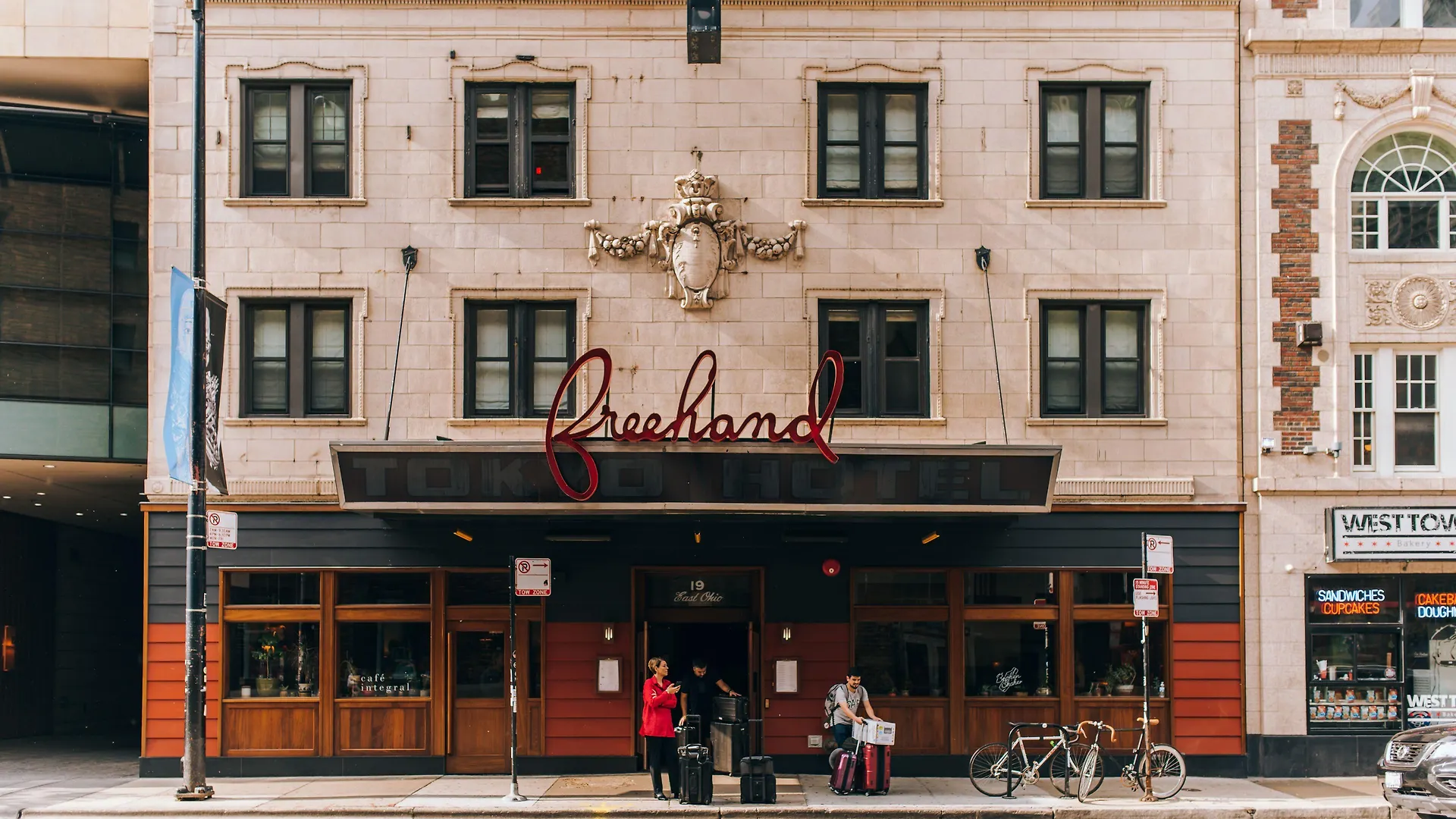
Chicago's Theatre District sits at the convergence of the Loop's architectural legacy and a living performance culture, making it one of the most visually charged neighborhoods to base yourself in the city. From the landmark CIBC Theatre on West Randolph Street to the Goodman and Broadway Playhouse just blocks away, the area draws visitors who want culture, walkability, and architectural substance in equal measure. The design hotels clustered here and across the adjacent Loop, River North, and Magnificent Mile corridors reflect that same sensibility - buildings with history, interiors with intention, and amenities calibrated for guests who notice the details.
What It's Like Staying in the Theatre District
The Theatre District anchors Chicago's West Loop edge of the Loop, roughly bounded by Randolph Street to the north and LaSalle to the west, placing guests within a 10-minute walk of Millennium Park, the Art Institute, Willis Tower, and State Street shopping. The neighborhood operates on two distinct rhythms: weekday mornings are dense with commuters flooding the CTA's Blue, Red, and Brown lines at Clark/Lake and Washington stations, while evenings shift into a pre-show foot traffic surge around curtain time. Expect sidewalk congestion between 6:30 and 8:00 PM on performance nights - this is the texture of staying here, not a drawback.
Hotels positioned on or near Wacker Drive and Michigan Avenue give guests immediate river and skyline exposure, while properties deeper in the Loop trade views for quieter overnight conditions. Noise from elevated train lines is a real consideration on upper LaSalle and Randolph - rooms above the 8th floor reduce that exposure significantly.
Pros:
- Walking access to CIBC Theatre, Goodman Theatre, and the Chicago Symphony Orchestra without needing transit
- Dense CTA connectivity - multiple L train lines converge within 3 blocks, reducing cab dependency significantly
- Millennium Park and the Art Institute are reachable on foot in under 12 minutes from most Loop hotels
Cons:
- Elevated train noise audible from street-facing rooms on LaSalle and Wacker, particularly before 10 PM
- Weekend mornings are quieter but restaurant options thin out compared to River North or the Magnificent Mile
- Parking costs in the Loop run high, making car-based guests pay a premium on top of hotel rates
Why Choose Exceptional Design Hotels in the Theatre District
Design hotels in this corridor distinguish themselves not through generic luxury signifiers but through spatial intelligence and architectural context - many occupy historic Loop buildings from the early 20th century, where restored lobbies and original structural details are part of the value proposition. Room sizes in design-forward Loop properties average around 320 square feet, which is competitive for downtown Chicago, though extended-stay formats like suite hotels push that considerably higher. Nightly rates across this category span a broad spectrum, but design hotels positioned directly on Michigan Avenue or within two blocks of Millennium Park command a premium of around 25% above comparable standard chain properties.
The trade-off is intentional: you're paying for curation - lighting design, locally sourced materials, art programming, and lobby experiences that mid-scale chains don't offer. Boutique and design properties here also tend to have smaller on-site parking footprints, making valet the primary option for drivers. Guests traveling by transit or on foot benefit most from this category, as the walkability score of the Theatre District rewards that approach.
Pros:
- Historic building conversions in the Loop provide architectural character unavailable in new-build hotels
- On-site bars and restaurants in design hotels here frequently draw local clientele, not just hotel guests - a useful quality signal
- Many design properties in this zone offer tech-integrated rooms with streaming, smart TVs, and device connectivity built in
Cons:
- Smaller lobby footprints in boutique properties can create congestion during peak check-in windows after 3 PM
- Rooftop or elevated amenity spaces book out quickly during summer festival season - advance reservations are necessary
- Design-forward rooms sometimes prioritize aesthetics over storage, with limited closet space in older building conversions
Practical Booking & Area Strategy for the Theatre District
For guests whose primary goal is walking to performances at CIBC Theatre or the Goodman, properties on West Randolph Street or within the Wacker Drive corridor are the strongest micro-location. Hotels on Michigan Avenue between the river and Monroe Street place guests within 4 blocks of the theatre cluster while also providing Magnificent Mile and lakefront access - the best dual-purpose positioning in the city. The CTA Red and Blue lines at Washington/State and Clark/Lake are the backbone of getting further afield without a car, with O'Hare reachable in around 45 minutes on the Blue Line directly from the Loop.
Chicago's theatre season peaks from September through November and again in March through May, which aligns with major conference season at McCormick Place - book at least 6 weeks ahead for those windows to avoid rate spikes of around 30% above baseline. Summer brings Millennium Park's free concert series to the adjacent Grant Park lawn, which adds foot traffic but also creates last-minute booking pressure in July and August. The Theatre District itself is well-lit and active until midnight on performance nights, making late-evening street movement straightforward and safe.
Best Value Design Stays
These properties deliver strong design credentials and Loop proximity at rates that stay competitive relative to the broader downtown Chicago market, making them practical anchors for theatre-focused visits.
-
1. Freehand Chicago
Show on map


 Check-infrom 15:00 until 23:59Check-outuntil 12:00
Best price guarantee
fromUS$ 25
-
2. SpringHill Suites Chicago Downtown/River North
Show on map


 Check-infrom 16:00 until 23:59Check-outuntil 11:00
Just a few rooms left at the best rate!
fromUS$ 109
-
3. Hilton Garden Inn Chicago Downtown Riverwalk
Show on map


 Check-infrom 16:00 until 23:59Check-outuntil 12:00
Hurry – almost gone at this price!
fromUS$ 215
-
4. Central Loop Hotel
Show on map


 Check-infrom 15:00 until 23:59Check-outuntil 12:00
Just a few rooms left at the best rate!
fromUS$ 87
-
5. Club Quarters Hotel Wacker At Michigan, Chicago
Show on map


 Check-infrom 15:00 until 23:59Check-outuntil 12:00
Just a few rooms left at the best rate!
fromUS$ 89
-
6. River Hotel
Show on map


 Check-infrom 15:00 until 23:59Check-outuntil 12:00
Just a few rooms left at the best rate!
fromUS$ 93
-
7. Residence Inn Chicago Downtown/Loop
Show on map


 Check-infrom 16:00 until 23:59Check-outfrom 11:00 until 12:00
Hurry – almost gone at this price!
fromUS$ 237
-
8. Acme Hotel Chicago, Outset Collection By Hilton
Show on map


 Check-infrom 15:00 until 23:59Check-outuntil 11:00
Rooms filling fast – secure the best rate!
fromUS$ 58
Best Premium Design Stays
These properties lead on architectural distinction, elevated service layers, or flagship amenities that justify a higher nightly rate - particularly for guests whose Chicago visit centres on theatre, culture, and dining at a higher register.
-
9. L7 Chicago By Lotte
Show on map


 Check-infrom 15:00 until 23:59Check-outuntil 11:00
Best price guarantee
fromUS$ 142
-
2. Hyatt Centric The Loop Chicago
Show on map


 Check-infrom 15:00 until 23:59Check-outuntil 12:00
Best price guarantee
fromUS$ 118
-
3. Sports Illustrated Resorts Chicago
Show on map


 Check-infrom 16:00 until 23:59Check-outuntil 11:00
Hurry – almost gone at this price!
fromUS$ 192
-
4. Fairmont Chicago Millennium Park
Show on map


 Check-infrom 16:00 until 23:59Check-outuntil 11:00
Best price guarantee
fromUS$ 151
-
5. Jw Marriott Chicago
Show on map


 Check-infrom 16:00 until 23:59Check-outuntil 12:00
Rooms filling fast – secure the best rate!
fromUS$ 167
-
6. Intercontinental Chicago Magnificent Mile By Ihg
Show on map


 Check-infrom 15:00 until 23:59Check-outuntil 11:00
Rooms filling fast – secure the best rate!
fromUS$ 109
-
7. The Midland Hotel, Chicago, A Tribute Portfolio Hotel
Show on map


 Check-infrom 16:00 until 23:59Check-outuntil 12:00
Best price guarantee
fromUS$ 109
Smart Timing and Booking Advice for Theatre District Design Hotels
Chicago's Theatre District peaks in demand during two concentrated windows: late September through mid-November, when the full theatre season launches alongside major Loop business conferences, and late March through May, when spring programming fills stages at CIBC, the Goodman, and Broadway Playhouse simultaneously. Booking at least 6 weeks ahead during these periods is the minimum buffer for design hotels - properties like Hyatt Centric The Loop and the Fairmont sell out their preferred room categories well before that window at peak times. Summer brings a different dynamic: Millennium Park's free Grant Park Music Festival runs through August, drawing large crowds to the adjacent green space and pushing Loop and near-Loop hotel occupancy above 90% on festival weekends.
January and February represent the lowest-demand months, when rates across design hotels in the Loop drop by around 25% and availability is broad even at short notice - the trade-off is Chicago winter weather, which makes walkability to theatres a colder proposition. A 3-night stay covers most Theatre District visit patterns effectively: one arrival evening, one full cultural day, and one departure morning without feeling rushed. For the Fairmont or JW Marriott, last-minute booking almost never yields the best room categories - these properties operate at high occupancy year-round and reward early commitment with room type selection.