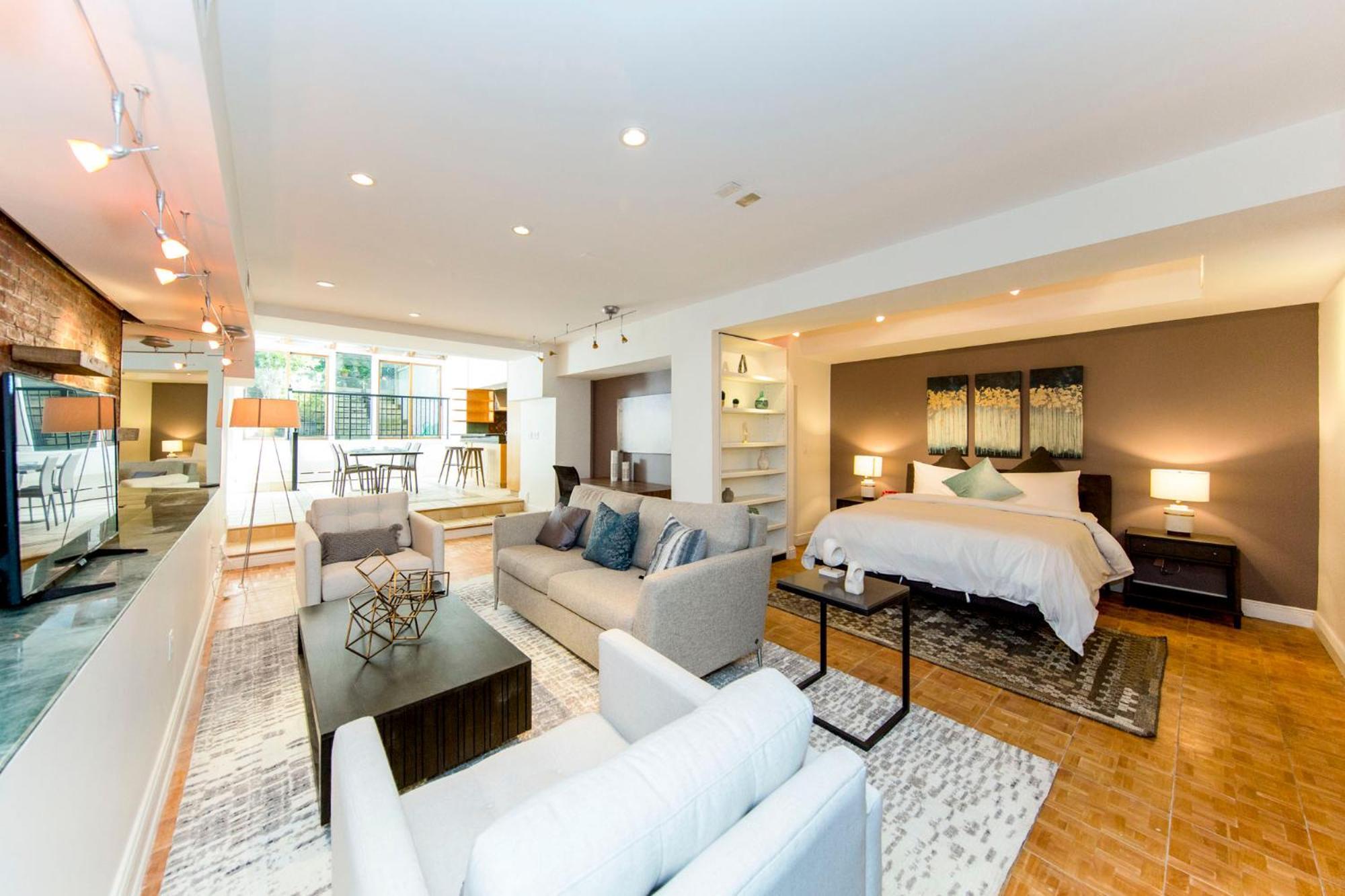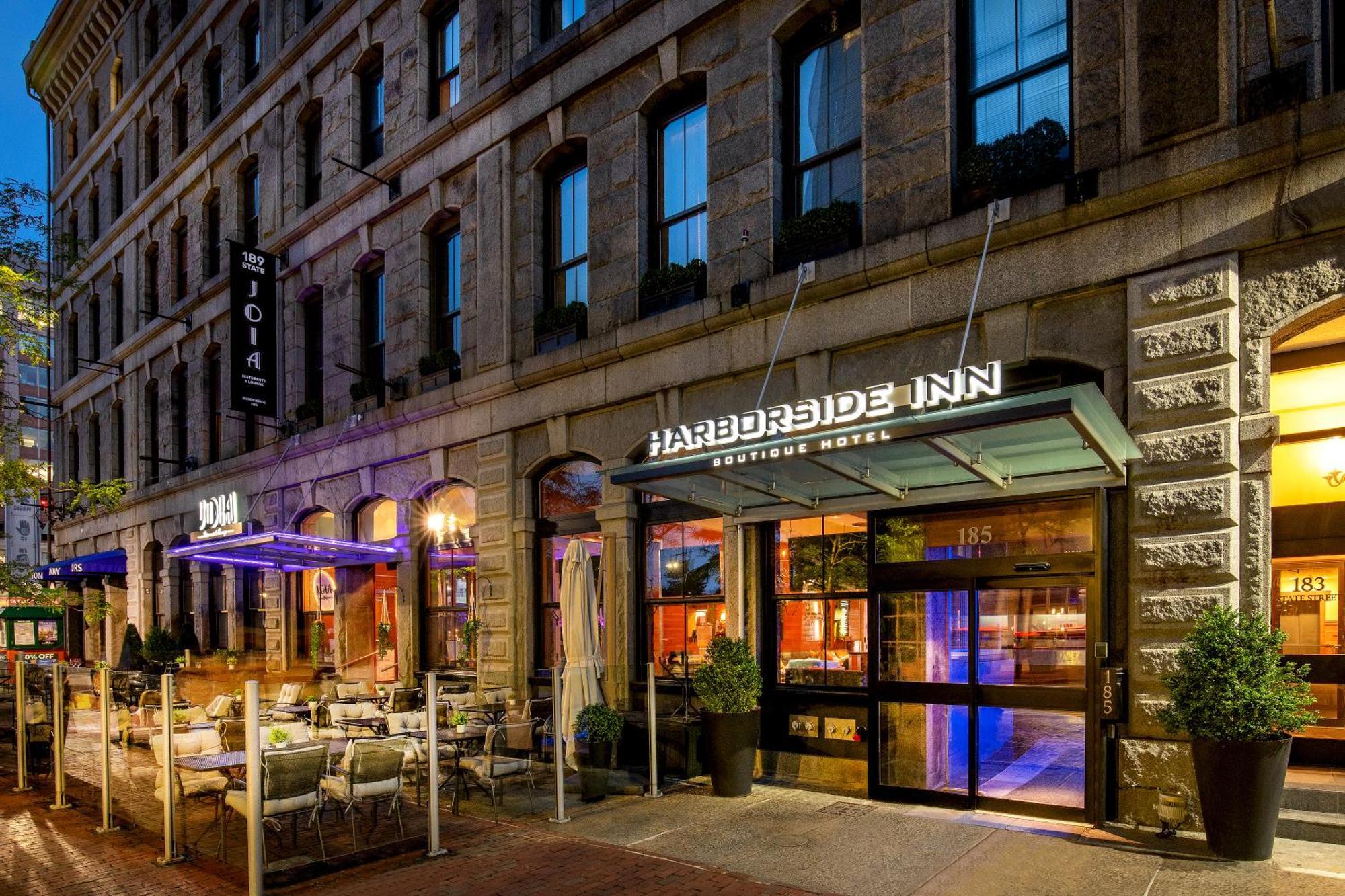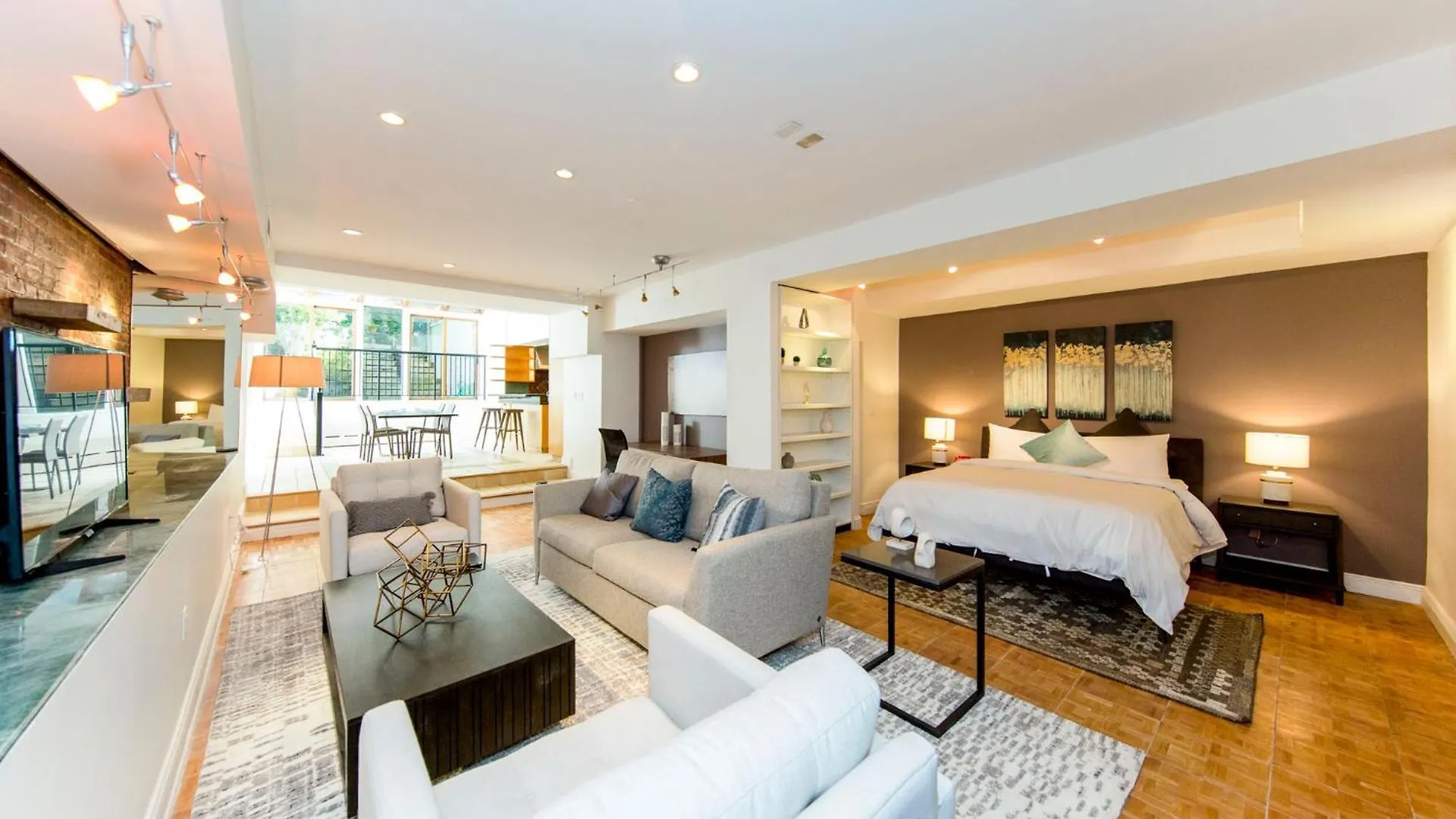
Chelsea sits between the Meatpacking District and Midtown, running roughly from 14th to 34th Street along the west side of Manhattan. It's one of the few neighborhoods where a gallery-lined block can turn into a riverside park or a covered food market within a few minutes on foot. For travelers who want boutique character without sacrificing walkability to major landmarks, Chelsea's hotel scene delivers a genuine range of options - from intimate inn-style properties to design-forward mid-rise hotels with rooftop access.
What It's Like Staying in Chelsea
Chelsea is a low-rise, walkable neighborhood where foot traffic is steady but rarely overwhelming outside of weekend gallery openings and High Line peak hours. The High Line draws around 8 million visitors per year, meaning the western blocks between 10th and 12th Avenue feel noticeably busier on weekend afternoons - staying one block east puts you closer to subway access without the tourist density. Most of Chelsea's subway coverage is along 8th Avenue (A, C, E lines) and 7th Avenue (1 train), which means getting to Midtown takes under 10 minutes, while downtown Manhattan and the Village are also straightforward connections.
Pros:
- Direct subway access to Penn Station, Times Square, and the Village without transfers
- Chelsea Market, the High Line, and Hudson River Park are all within walking distance of most hotels in the area
- Quieter street-level atmosphere compared to Midtown, with a genuine mix of restaurants and independent businesses
Cons:
- Hotel prices in Chelsea run higher than comparable rooms in Midtown South or Murray Hill, with boutique options especially commanding a premium
- The western edge near the Hudson can feel isolated at night, particularly in winter when the High Line closes
- No major subway line runs along 9th or 10th Avenue, so westernmost properties require a longer walk to the nearest station
Why Choose a Boutique Hotel in Chelsea
Boutique hotels in Chelsea tend to occupy converted buildings - former warehouses, historic brick structures, or purpose-built low-rises - which translates into more architectural character but sometimes smaller room footprints than chain competitors at similar price points. Room sizes in Chelsea boutique properties can run around 20% smaller than Midtown equivalents at the same nightly rate, but the trade-off is design intentionality: porthole windows, curated furnishings, and independent restaurant concepts that chain hotels rarely match. The neighborhood's mix of creative industry and residential blocks also means boutique hotels here attract a quieter, less transient guest profile than Midtown properties, which affects everything from lobby noise to elevator wait times.
Most boutique hotels in Chelsea sit in the mid-range to upper-mid tier, with nightly rates typically starting around $250 and climbing significantly during Fashion Week, art fair season, and summer weekends. Booking 6 to 8 weeks in advance is standard practice for the better-positioned properties during peak periods.
Main advantages of boutique hotels in Chelsea:
- Design-forward interiors with neighborhood-specific identity rather than standardized brand aesthetics
- On-site dining and bar concepts that function as actual neighborhood destinations, not just hotel amenities
- Lower guest-to-staff ratios compared to large convention hotels, resulting in more responsive concierge support
Main trade-offs in Chelsea:
- Walk-up buildings are common in the area, and some boutique properties have no elevator - important for guests with mobility needs or heavy luggage
- Street noise from 9th Avenue bars and late-night restaurant traffic can be significant on lower floors facing the street
- Pool and rooftop access, where available, often comes with time restrictions or surcharges not immediately visible at booking
Practical Booking & Area Strategy for Chelsea
For transit convenience, properties along or near 8th Avenue give the fastest subway access - the A, C, and E lines at 14th Street and the C and E at 23rd Street cover most of the neighborhood's hotel corridor. West 16th to West 22nd Street on 9th Avenue represents the sweet spot for walkability: you're within 10 minutes of the High Line entrance at Gansevoort, Chelsea Market on 9th and 15th, and the 23rd Street subway hub. Hotels positioned east of 9th Avenue also benefit from quicker access to Madison Square Garden, Penn Station, and the Flatiron Building.
Chelsea's main attractions beyond the High Line include the Rubin Museum of Art on 17th Street, the gallery district concentrated between 20th and 27th Streets on 10th and 11th Avenues, Hudson River Park's piers and cycling paths, and the Meatpacking District's restaurant and nightlife corridor immediately to the south. Fashion Week in February and September causes the sharpest rate spikes in the neighborhood - boutique hotels in particular sell out weeks ahead during those periods. For value, January and late November offer the most competitive nightly rates without significant loss of experience.
Best Value Boutique Stays in Chelsea
These properties deliver strong location-to-price positioning in Chelsea, with independent character and key amenities at rates that undercut the neighborhood's upper-tier boutique options.
-
1. Chelsea Pines Inn
Show on map


 Check-infrom 15:00 until 23:59Check-outuntil 11:00
Just a few rooms left at the best rate!
fromUS$ 170
-
2. The Moore, New York City, A Member Of Design Hotels
Show on map


 Check-infrom 15:00 until 23:59Check-outuntil 12:00
Just a few rooms left at the best rate!
fromUS$ 215
-
3. The High Line Hotel
Show on map


 Check-infrom 16:00 until 23:59Check-outuntil 11:00
Hurry – almost gone at this price!
fromUS$ 167
Best Premium Boutique Stays in Chelsea
These properties operate at the upper end of Chelsea's boutique market, with stronger design programming, signature dining, or amenity sets that justify the higher nightly rate.
-
4. The Maritime Hotel
Show on map


 Check-infrom 15:00 until 23:59Check-outuntil 12:00
Hurry – almost gone at this price!
fromUS$ 239
-
5. Dream Downtown, By Hyatt
Show on map


 Check-infrom 15:00 until 23:59Check-outuntil 11:00
Rooms filling fast – secure the best rate!
fromUS$ 249
-
6. Hilton New York Fashion District
Show on map


 Check-infrom 16:00 until 23:59Check-outuntil 11:00
Rooms filling fast – secure the best rate!
fromUS$ 179
Smart Timing and Booking Advice for Chelsea Hotels
Chelsea's hotel demand is heavily influenced by the city's event calendar rather than pure seasonality. New York Fashion Week in February and September drives the most aggressive rate spikes in the neighborhood - boutique hotels with limited inventory sell out weeks in advance, and last-minute availability at fair rates is effectively nonexistent during those windows. The Frieze New York art fair (typically held in May) and the Armory Show (March) also create demand surges specific to Chelsea, given the neighborhood's gallery concentration, making spring a secondary high-demand period that catches some travelers off guard.
For value timing, January and mid-November offer the most competitive nightly rates while still delivering a fully operational Chelsea experience - galleries are open, the High Line is accessible, and restaurant reservation availability is considerably easier than in peak months. A stay of 3 nights gives enough time to cover the High Line end-to-end, explore the gallery district on 10th and 11th Avenues, and use the neighborhood as a base for day trips to the Village, Midtown, and Brooklyn without feeling rushed. Booking directly with boutique properties or through curated booking platforms often unlocks perks - room upgrades, flexible check-in, or included breakfast - that are less commonly available through aggregators for independent hotels in this category.