Downtown Boston and its surrounding historic neighborhoods - Back Bay, Beacon Hill, the Waterfront, and South End - concentrate some of the most characterful boutique hotels in New England. This guide breaks down 13 properties by location cluster, price positioning, and what actually differentiates one from another, so you can book with clarity rather than guesswork.
What It's Like Staying in Downtown Boston
Downtown Boston is compact by American standards - most major attractions sit within a walkable radius from the core. The Freedom Trail, Boston Common, Faneuil Hall, and Beacon Hill are all reachable on foot from centrally located hotels, which means you can skip Uber rides for a large portion of your day. The MBTA subway (the "T") fills in the gaps efficiently, with lines connecting Back Bay, the Waterfront, and North End without the need for a car.
Crowd density follows a clear rhythm: weekday mornings belong to commuters and convention attendees, while weekends shift toward tourists - particularly around Faneuil Hall, Newbury Street, and Copley Square. Hotel rates in this zone spike around 40% during Red Sox home games and major events at TD Garden, so timing matters as much as location when budgeting your stay.
Pros:
- Walking access to most major landmarks eliminates the need for daily transport costs
- Multiple T stations across neighborhoods keep non-walkable destinations under 20 minutes
- Dense concentration of dining, museums, and nightlife within the same blocks as most hotels
Cons:
- Event-driven price surges make last-minute booking expensive and unpredictable
- Street noise in areas like Kenmore Square and the Waterfront can be significant on weekends
- Parking is costly and logistically difficult across nearly all downtown neighborhoods
Why Choose a Boutique Hotel in Downtown Boston
Boutique hotels in Downtown Boston occupy a distinct space between the generic chain experience and full luxury. In neighborhoods like Back Bay and Beacon Hill, many are housed in 19th-century brownstones or historic landmark buildings, which means architectural character is built into the stay itself - not a marketing add-on. Room sizes at boutique properties here tend to run smaller than at large-format hotels, but the trade-off is typically a more curated environment: original art, local dining concepts, and concierge teams that actually know the neighborhood.
Price-wise, boutique hotels in this area generally position between budget chains and full-service luxury brands, though premium boutiques in Back Bay can match or exceed five-star rates during peak season. What differentiates them most is the ratio of character to cost - you get historically significant addresses, locally embedded dining, and individually designed rooms at rates that large legacy hotels in the same zip codes rarely match.
Pros:
- Historically significant buildings give structural context that chain hotels cannot replicate
- On-site dining at boutique properties often features locally sourced, chef-driven menus rather than generic hotel fare
- Smaller guest counts mean more attentive service and faster check-in/out processes
Cons:
- Smaller room footprints can feel tight for longer stays or travelers with large luggage
- Fewer on-site amenities (pools, multiple restaurants) compared to full-service luxury hotels
- High demand during events means boutique inventory sells out faster than larger properties
Practical Booking & Area Strategy
For the best positioning in Downtown Boston, properties on or near Newbury Street, Copley Square, and Beacon Street place you within walking reach of the Back Bay T station (Green Line), the Prudential Center, and the start of the Freedom Trail - a logical hub for most sightseeing itineraries. The North End and Waterfront cluster around the Aquarium T station (Blue Line), putting Faneuil Hall just 350 metres away on foot and TD Garden under a kilometre. Beacon Hill hotels sit at the base of the hill, steps from the Museum of Science and Boston Common.
Book at least 6 weeks ahead for visits coinciding with Red Sox home series, the Boston Marathon (Patriots' Day weekend in April), or major conventions at the Hynes or BCEC. The Freedom Trail alone draws over 4 million walkers annually, making the historic core consistently busy from May through October. Outside of event weekends, the South End and Back Bay retain a quieter, residential rhythm after 9 p.m. - a contrast to the louder Kenmore Square and Waterfront zones, which stay active late.
Best Value Boutique Stays
These properties deliver strong location credentials and boutique character at rates that sit below the premium tier, making them practical anchors for budget-conscious travelers who still want a distinctive Boston address.
-
1. Charlesmark Hotel
Show on map


 Check-infrom 15:00 until 23:59Check-outuntil 12:00
Hurry – almost gone at this price!
fromUS$ 99
-
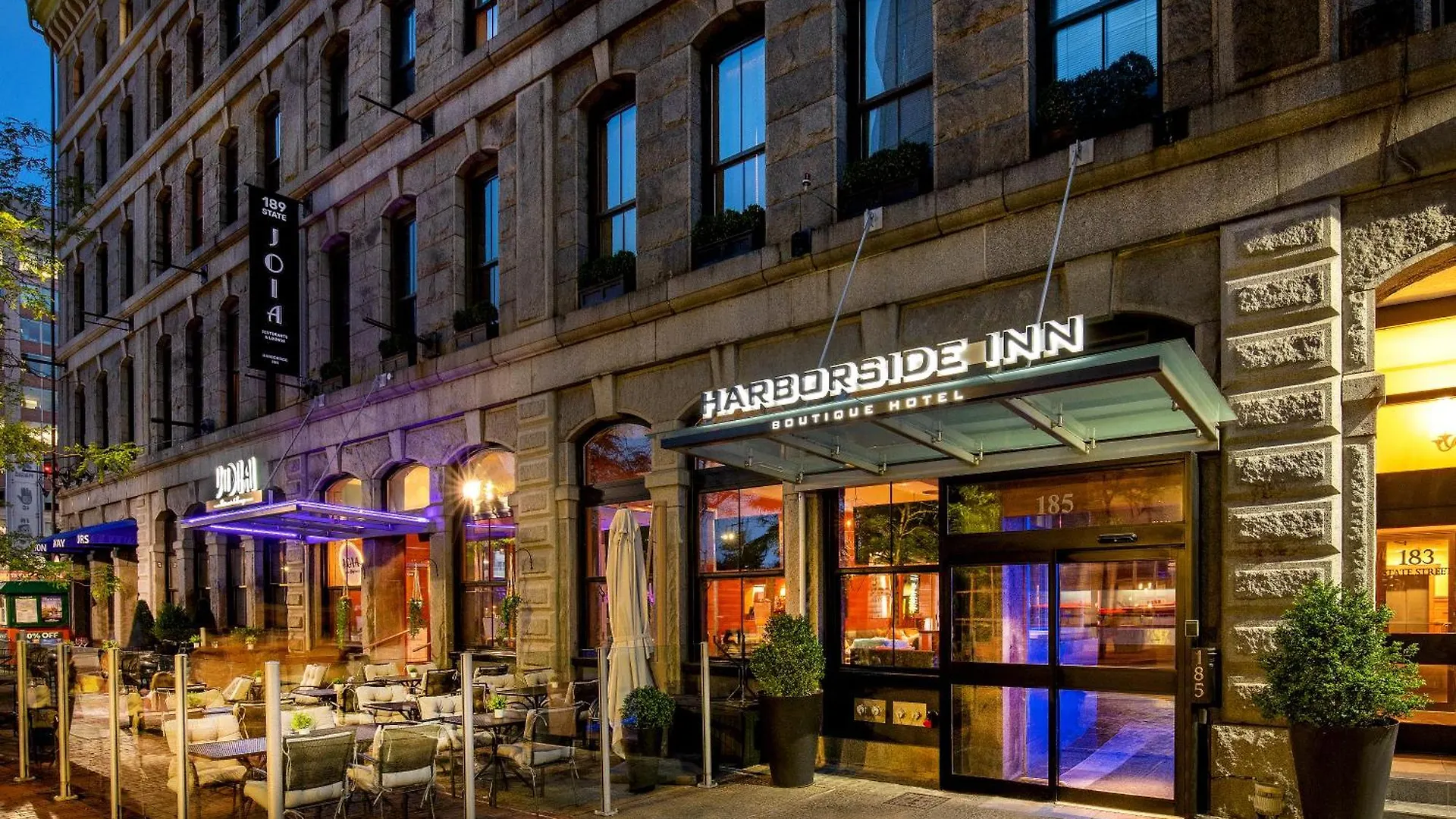
2. Harborside Inn
Show on map


 Check-infrom 15:00 until 23:59Check-outuntil 12:00
Rooms filling fast – secure the best rate!
fromUS$ 102
-
3. Newbury Guest House
Show on map


 Check-infrom 15:00 until 23:59Check-outuntil 12:00
Just a few rooms left at the best rate!
fromUS$ 119
-
4. Inn At St. Botolph
Show on map


 Check-infrom 15:00 until 22:00Check-outfrom 05:00 until 11:00
Just a few rooms left at the best rate!
fromUS$ 169
-
5. Staypineapple, A Delightful Hotel, South End
Show on map


 Check-infrom 16:00 until 23:59Check-outuntil 12:00
Just a few rooms left at the best rate!
fromUS$ 97
Best Premium Boutique Stays
These properties combine landmark addresses, award-winning dining, and distinctly designed spaces - each bringing something specific to the table beyond a well-placed postcode in Boston.
-
6. The Eliot Hotel
Show on map


 Check-infrom 15:00 until 23:59Check-outuntil 12:00
Rooms filling fast – secure the best rate!
fromUS$ 195
-
7. The Lenox Hotel Boston
Show on map


 Check-infrom 16:00 until 23:59Check-outuntil 12:00
Best price guarantee
fromUS$ 225
-
8. Hotel Commonwealth
Show on map


 Check-infrom 16:00 until 23:59Check-outuntil 12:00
Just a few rooms left at the best rate!
fromUS$ 173
-
9. The Liberty, A Luxury Collection Hotel, Boston
Show on map


 Check-infrom 16:00 until 23:59Check-outuntil 11:00
Rooms filling fast – secure the best rate!
fromUS$ 549
-
5. Revere Hotel Boston Common
Show on map


 Check-infrom 16:00 until 23:59Check-outuntil 11:00
Rooms filling fast – secure the best rate!
fromUS$ 622
-
6. W Boston
Show on map


 Check-infrom 16:00 until 23:59Check-outuntil 12:00
Hurry – almost gone at this price!
fromUS$ 173
-
12. Battery Wharf Hotel, Boston Waterfront
Show on map


 Check-infrom 15:00 until 23:59Check-outuntil 12:00
Hurry – almost gone at this price!
fromUS$ 192
-
13. Intercontinental Boston By Ihg
Show on map


 Check-infrom 15:00 until 23:59Check-outuntil 12:00
Hurry – almost gone at this price!
fromUS$ 215
Smart Timing & Booking Advice for Downtown Boston
Boston's hotel market operates on a clearly seasonal curve. May through October is peak season, driven by summer tourism, Red Sox home games at Fenway Park, university move-in periods, and major conventions at the Hynes Convention Center and Boston Convention and Exhibition Center. Rates during Patriots' Day weekend (Boston Marathon, typically third Monday in April) and major concert runs at TD Garden can spike sharply, with boutique inventory exhausted weeks in advance.
January and February represent the quietest window - rates drop noticeably, and the city's museums, restaurants, and neighborhoods remain fully operational. For Back Bay and Beacon Hill boutiques specifically, book at least 6 weeks out for any spring or fall weekend. A minimum 3-night stay makes the most logistical sense given Boston's density of walkable attractions - shorter stays don't allow enough time to move between the waterfront, Freedom Trail, and Back Bay without feeling rushed. Last-minute bookings during the off-season (November through March, excluding holidays) can yield genuine value, but that window closes entirely during event-heavy weekends year-round.