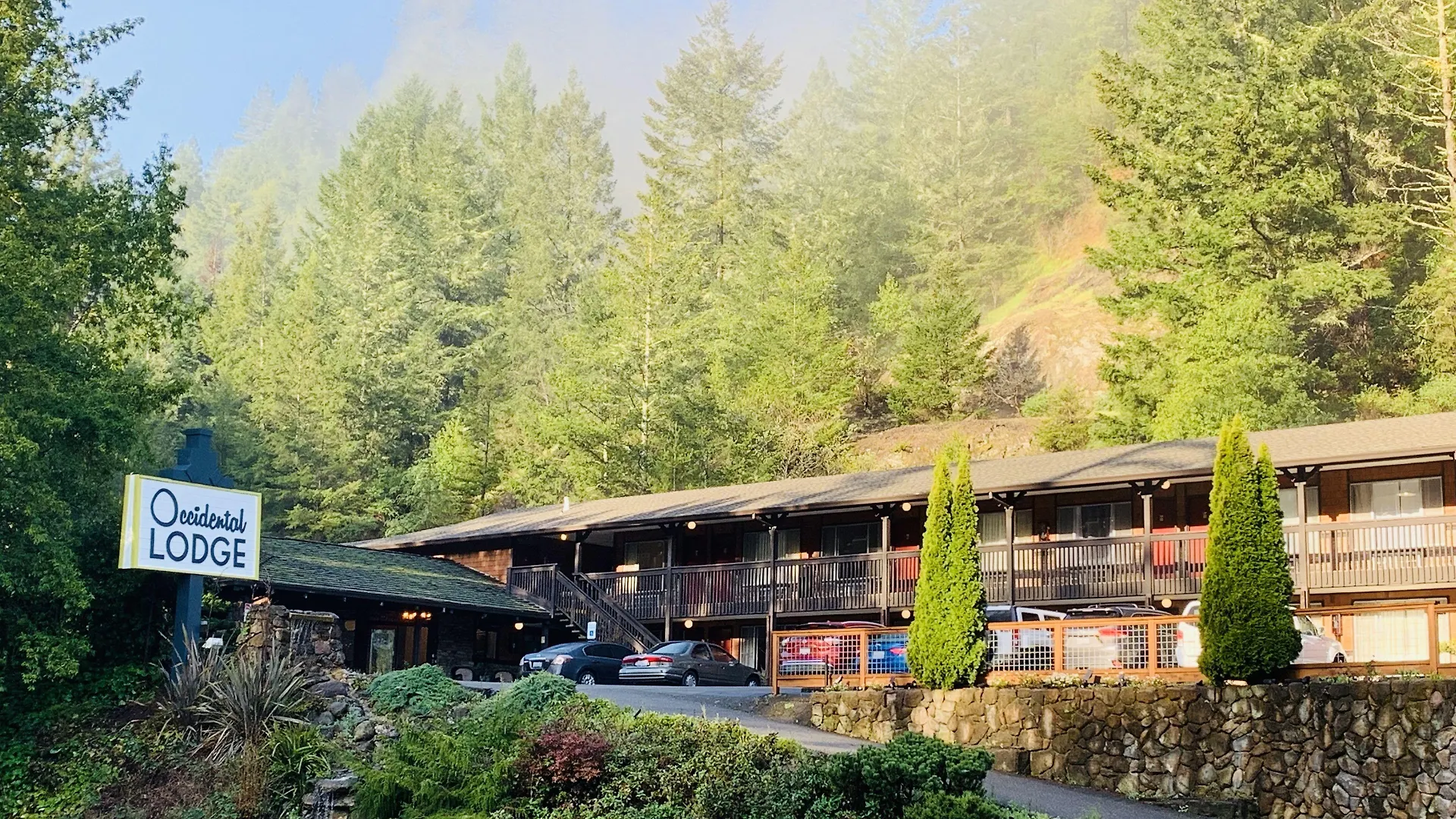
California's design hotel scene spans coastal Victorians in Monterey, plantation-style inns in Ojai, wine country lodges in Sonoma, and business-forward properties in Sacramento - each reflecting a distinct regional character rather than a generic aesthetic. Whether you're choosing a fireplace room steps from Cannery Row or a Bodega Bay-facing lodge surrounded by redwoods, the architecture and interiors here are deeply tied to their surroundings. This guide cuts through the noise and helps you match the right property to your itinerary, budget, and travel style.
What It's Like Staying in California
California is the most geographically diverse state in the US, covering coastlines, deserts, wine country, and mountain ranges within a single road trip. Getting between destinations typically requires a car, as public transit is limited outside of Los Angeles and San Francisco - most design hotels in smaller towns like Ojai, Occidental, or Carmel Valley are oriented around self-drive guests. Tourism peaks sharply in summer from June through August, particularly along the coast, meaning rooms in Laguna Beach or Monterey can fill up weeks in advance.
Travelers who love variety, outdoor access, and culinary depth will find California consistently rewarding. Those seeking a walkable urban hotel experience without a car may find the smaller towns frustrating. Around 80% of California's most distinctive design properties are located outside major cities, which means you gain atmosphere but trade urban convenience.
Pros:
- Extraordinary landscape variety within short driving distances - wine country, ocean cliffs, and redwood forests are often within the same county
- Design hotels here tend to incorporate regional materials and local art, giving rooms genuine character rather than generic brand aesthetics
- Year-round mild weather in coastal areas means outdoor amenities like pools and patios are usable far beyond summer
Cons:
- A rental car is effectively mandatory for most design hotel locations - properties in Occidental, Carmel Valley, or Tehachapi have no meaningful public transit access
- Peak-season pricing in coastal towns like Laguna Beach and Monterey spikes significantly from June through September
- Wildfire smoke can affect air quality in inland and Northern California regions during late summer and fall, impacting outdoor experiences
Why Choose Exceptional Design Hotels in California
Design-forward hotels in California aren't just about aesthetics - they're built around a sense of place, whether that's a Victorian inn on Cannery Row, a garden lodge in Carmel Valley, or a plantation-style inn in the Ojai Valley. Unlike standard chain properties, these hotels tend to have rooms with fireplaces, private patios, curated breakfast programs, and architectural details that reflect their specific region's history and landscape. Rates at design hotels in California typically run around 30% higher than comparable chain properties in the same town, but the trade-off is a significantly more immersive experience.
Room sizes in boutique design properties vary considerably - Sonoma wine country inns tend to prioritize outdoor space and garden access, while coastal properties in Laguna Beach or Monterey emphasize views and interior finishes over square footage. Travelers staying for cultural or culinary itineraries get the most value from design properties, since proximity to wineries, galleries, and local restaurants is usually built into the location logic of these hotels.
Pros:
- Rooms are individually styled with regional character - fireplaces, balconies, patios, and locally sourced breakfast ingredients are common differentiators
- Many California design hotels are positioned within walking distance of wine tasting rooms, galleries, and nature trails, reducing the need for constant driving
- Smaller property sizes mean more personalized service and less crowded pools and common areas compared to large resort hotels
Cons:
- Some design hotels in smaller towns have limited on-call staffing during overnight hours, which can be a drawback for late arrivals
- Boutique properties don't always offer on-site dining, requiring advance research into nearby restaurant options - especially in rural areas like Occidental or Carmel Valley
- Room configurations vary significantly between properties; standard room size expectations from chain hotels don't apply here
Practical Booking & Area Strategy
California's design hotel landscape clusters in three distinct corridors: the Northern California wine country around Sonoma and Occidental, the Central Coast stretching from Carmel Valley through Monterey and into Santa Cruz County, and the Southern California zone covering Ojai, Laguna Beach, and the Anaheim-Corona area. The Sonoma-Occidental corridor is best accessed via Santa Rosa, which has its own regional airport (Charles M. Schultz Sonoma County Airport), making it the most convenient Northern California entry point without routing through San Francisco. Along the Central Coast, Monterey's Cannery Row district is walkable to the Aquarium and San Carlos Beach, which makes it one of the few California design hotel locations where you can genuinely leave the car parked for a day.
For Southern California, Ojai is around 90 minutes from Los Angeles and operates a free Trolley Service through town - one of the few small California towns with genuine car-free mobility within the village. Book coastal and wine country properties at least 6 weeks ahead for summer travel, particularly for rooms with specific features like fireplaces or balconies, which are limited in supply. Sacramento-based hotels offer more last-minute availability and serve well as a base for day trips to Gold Country or Lake Tahoe. Inland towns like Tehachapi and Oroville offer far lower rates and minimal crowds, suited to travelers passing through rather than destination stays.
Best Value Design Stays
These properties deliver strong regional character and practical amenities at price points that make them accessible for longer California itineraries, particularly across Northern California and the Central Valley.
-
1. The Occidental Lodge
Show on map


 Check-infrom 15:00 until 23:00Check-outuntil 11:00
Best price guarantee
fromUS$ 131
-
2. Best Western Rose Garden Inn
Show on map


 Check-infrom 15:00 until 23:59Check-outuntil 11:00
Best price guarantee
fromUS$ 114
-
3. Motel 6-Oroville, Ca
Show on map


 Check-infrom 13:00 until 23:59Check-outuntil 11:00
Best price guarantee
fromUS$ 90
-
4. Motel 6-Corona, Ca
Show on map


 Check-infrom 15:00 until 23:59Check-outuntil 11:00
Best price guarantee
fromUS$ 54
-
5. Motel 6 Fort Bragg, Ca
Show on map


 Check-infrom 15:00 until 23:59Check-outuntil 11:00
Rooms filling fast – secure the best rate!
fromUS$ 70
-
6. Fairfield Inn & Suites Tehachapi
Show on map


 Check-infrom 15:00 until 23:59Check-outuntil 12:00
Best price guarantee
fromUS$ 140
-
7. Motel 6-Palmdale, Ca
Show on map


 Check-infrom 15:00 until 23:59Check-outuntil 11:00
Hurry – almost gone at this price!
fromUS$ 90
Best Premium & Character Design Stays
These properties are the strongest design and atmosphere picks in the guide - each built around a distinctive regional identity, from Cannery Row Victorian character to Carmel Valley mountain gardens and Anaheim's Marriott-backed convention district.
-
8. Inn At Occidental
Show on map


 Check-infrom 15:00 until 19:00Check-outfrom 07:00 until 11:00
Best price guarantee
fromUS$ 412
-
9. Surestay Plus Hotel By Best Western Sacramento Cal Expo
Show on map


 Check-infrom 15:00 until 23:59Check-outfrom 04:00 until 11:00
Just a few rooms left at the best rate!
fromUS$ 65
-
10. Casa Ojai Inn
Show on map


 Check-infrom 15:00 until 22:00Check-outuntil 11:00
Hurry – almost gone at this price!
fromUS$ 189
-
4. Victorian Inn
Show on map


 Check-infrom 16:00 until 23:59Check-outuntil 12:00
Best price guarantee
fromUS$ 139
-
5. Crescent Bay Inn
Show on map


 Check-infrom 15:00 until 21:00Check-outuntil 11:00
Just a few rooms left at the best rate!
fromUS$ 181
-
13. Delta Hotels By Marriott Anaheim Garden Grove
Show on map


 Check-infrom 16:00 until 23:59Check-outuntil 11:00
Rooms filling fast – secure the best rate!
fromUS$ 110
-
7. Hotel Diamond
Show on map


 Check-infrom 15:00 until 23:59Check-outuntil 11:00
Just a few rooms left at the best rate!
fromUS$ 150
-
8. Carmel Valley Lodge
Show on map


 Check-infrom 15:00 until 20:30Check-outuntil 11:00
Hurry – almost gone at this price!
fromUS$ 98
Smart Travel & Timing Advice for California Design Hotels
California's tourism calendar is sharply front-loaded toward summer, with June through August bringing peak crowds and peak rates to every coastal and wine country destination in this guide. Laguna Beach, Monterey's Cannery Row, and Sonoma wine country all see occupancy above 90% in July, meaning properties like Victorian Inn, Crescent Bay Inn, and Inn at Occidental are best booked at least 6 weeks out for summer dates - especially for rooms with specific features like balconies or fireplaces. September and October represent the strongest value window for most of these destinations: crowds thin, wildfire risk in coastal areas is lower than in inland zones, and rates drop meaningfully while weather remains excellent.
For Ojai and the Central Valley properties in Chico and Sacramento, spring (March through May) is the optimal season - wildflower blooms in the Antelope Valley, mild temperatures in Ojai, and the Sacramento River corridor at its greenest. Carmel Valley and Big Sur are best visited in spring or fall, when Highway 1 is less congested and tasting rooms in Carmel Valley Village have shorter waits. For most properties in this guide, a 2-night minimum stay makes logistical sense - one night doesn't justify the drive to destinations like Occidental or Carmel Valley, where the surrounding landscape and activities require at least a full day to explore properly. Inland and highway-stop properties like Tehachapi and Palmdale have no meaningful booking pressure and offer last-minute availability year-round.