Hawaii draws millions of visitors each year across its six main islands, each offering a radically different atmosphere - from Waikiki's dense resort corridor in Honolulu to the lava-rimmed coast of the Big Island. Choosing the right hotel here isn't just about stars or price; it's about which island, which district, and how close you need to be to the water. This guide cuts through the noise to help you compare real options across Hawaii's most visited areas.
What It's Like Staying in Hawaii
Hawaii is the only U.S. state entirely composed of islands, meaning every hotel stay involves a deliberate choice about which island to prioritize - and that decision shapes your entire trip. Oahu holds Waikiki, the most infrastructure-dense tourist zone in the archipelago, while the Big Island offers dramatically quieter coastlines with far less commercial development. Inter-island flights take under an hour but add cost and logistics, so most visitors base themselves on one island. Getting around Hawaii without a rental car is genuinely difficult outside Waikiki's walkable strip, where TheBus public transit covers most Honolulu neighborhoods.
Crowds peak hard between mid-December and late March, and again in June through August, when Waikiki hotels routinely operate at near-full capacity. Budget-conscious travelers willing to stay slightly inland from the beach can save around 30% compared to beachfront properties.
Pros:
- Waikiki offers a rare walkable resort district with beaches, dining, and shopping within blocks of most hotels
- Hawaii's year-round warm climate means no truly bad time to visit from a weather standpoint
- The Big Island and Maui offer significantly less crowded alternatives to Oahu for travelers prioritizing nature
Cons:
- Car rental is nearly mandatory outside Waikiki, adding meaningful daily cost to your budget
- Inter-island travel requires additional flights, which complicates multi-island itineraries
- Honolulu's hotel corridor is compact and densely developed, limiting the sense of seclusion even at higher price points
Why Choose Hotels in Hawaii
Full-service hotels in Hawaii, as opposed to vacation rentals or condotels, typically offer amenities like on-site dining, pools, concierge services, and tour desks - which matter significantly when you're navigating unfamiliar island logistics for the first time. Waikiki hotel rates for standard rooms average around $250-$350 per night at mid-tier properties, while Big Island hotels outside Kona's resort corridor run noticeably cheaper. Hotels along the Ala Wai Canal in Honolulu offer city and partial ocean views at a lower price point than direct beachfront properties, trading a few extra walking minutes for real savings. On the Big Island, coastal hotels provide immediate access to snorkeling and diving spots that vacation rentals inland simply cannot match.
Full-service hotels also absorb the coordination burden - airport transfers, activity bookings, luggage storage - that matters more in Hawaii than on a mainland trip, where logistics are simpler. Room sizes in Waikiki hotels tend to be compact, with standard rooms often under 350 square feet, so travelers needing kitchen access or extra space should factor that into their search.
Pros:
- On-site pools and dining reduce the need to rent a car for daily meals and recreation
- Tour desks and concierge services help first-time Hawaii visitors plan island excursions efficiently
- Hotels on or near Waikiki Beach place guests within walking distance of Hawaii's most famous shoreline
Cons:
- Standard hotel rooms in Waikiki are often compact, with limited in-room cooking facilities
- Resort fees are common and can add $30-$50 per night on top of the advertised room rate
- Hotels in peak zones like Waikiki come with street noise, heavy foot traffic, and crowded pool areas
Practical Booking & Area Strategy for Hawaii
Honolulu's Waikiki neighborhood remains the most practical base for first-time visitors - the beach is walkable, restaurants are abundant, and TheBus connects to Diamond Head, Ala Moana Center, and downtown Honolulu without a car. Properties along the Ala Wai Canal, just one or two blocks from the beach strip, offer meaningful price advantages while keeping guests within a 10-minute walk of the water. On the Big Island, Kona-side hotels face the calmer leeward coast, making them far better suited for water activities than the windward Hilo side, which receives dramatically more rainfall. For travelers focused on volcano access, staying near Hilo cuts drive time to Hawaii Volcanoes National Park to under an hour.
Popular attractions across the islands include Diamond Head State Monument, Pearl Harbor National Memorial, Waimea Canyon on Kauai, and the Road to Hana on Maui. Book at least 8 weeks ahead for peak season travel, particularly if targeting Waikiki beachfront hotels, where availability tightens fast. Shoulder season - April through May and September through November - offers the best balance of lower rates and manageable crowds across all islands.
Best Value Stays in Hawaii
These hotels deliver strong location and practical amenities at a competitive price point, making them well-suited for travelers who want Waikiki access without paying a beachfront premium.
-
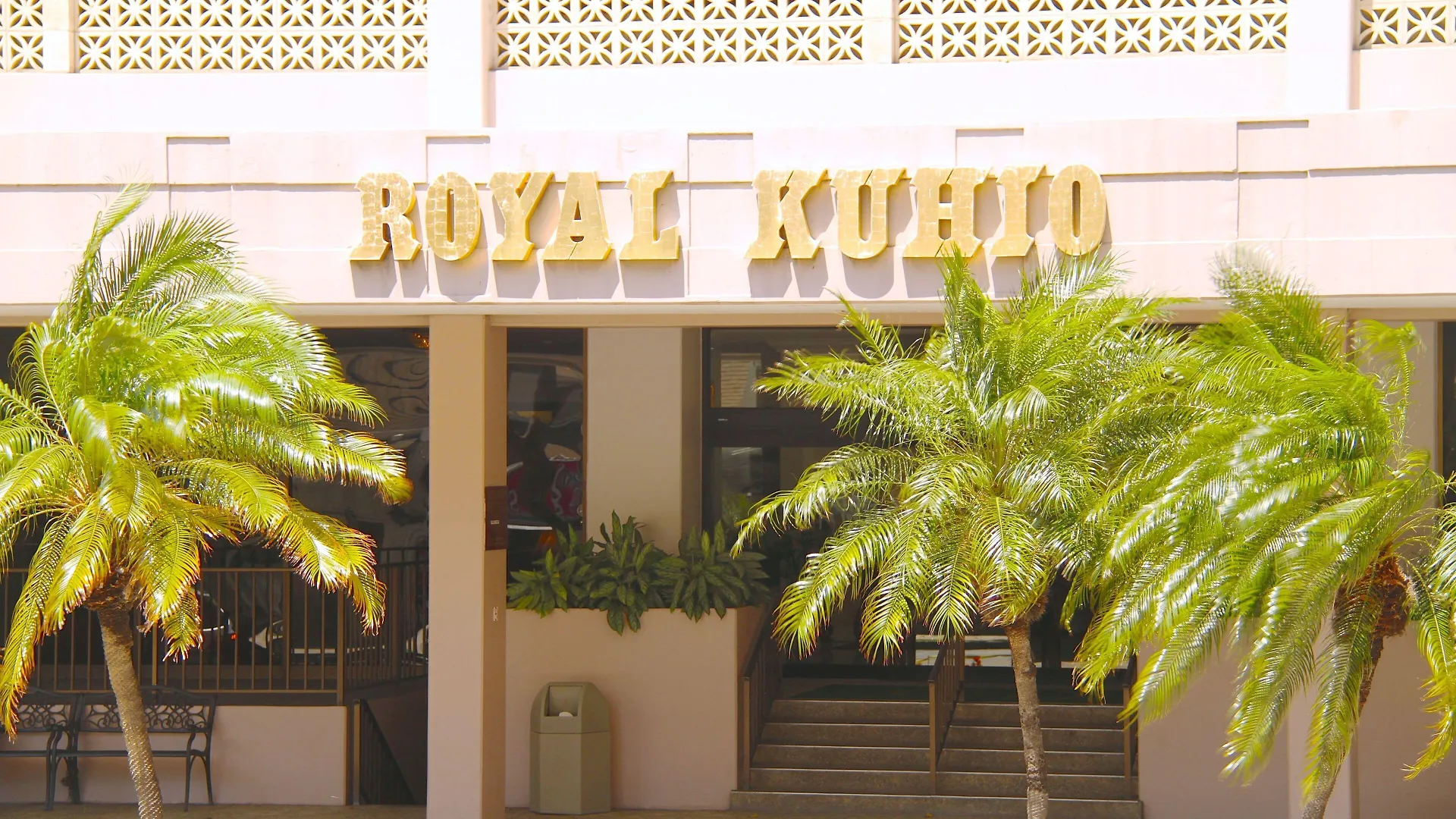
1. Royal Kuhio Resort
Show on map


 Check-infrom 16:00 until 23:59Check-outuntil 11:00
Just a few rooms left at the best rate!
fromUS$ 240
-
2. Waikiki Monarch Hotel
Show on map


 Check-infrom 15:00 until 23:59Check-outuntil 11:00
Hurry – almost gone at this price!
fromUS$ 69
Best Premium Stays in Hawaii
These properties offer distinctive settings beyond Honolulu's main tourist corridor, catering to travelers seeking a quieter, more local Hawaii experience on the North Shore of Kauai and the Kona coast of the Big Island.
- Show on map
Best price guarantee
- Show on map
Best price guarantee
Smart Travel & Timing Advice for Hawaii
Hawaii's peak travel window runs from mid-December through March, driven by U.S. mainland winter escapes, and again from June through August for summer family travel - during both periods, Waikiki hotel rates spike and availability at well-reviewed properties tightens significantly. April, May, September, and October represent the clearest sweet spot: lower room rates, smaller crowds at major attractions like Diamond Head and Pearl Harbor, and water conditions still favorable for swimming and snorkeling across all islands. For Kauai's North Shore and Princeville specifically, winter months bring larger surf and occasional road closures near Hanalei, so travelers prioritizing beach access should lean toward April through October. Most Hawaii trips are structured around 7 to 10 nights, which gives enough time to explore one island thoroughly or combine two islands without feeling rushed. Book at least 6 weeks out for any shoulder season travel, and 10-12 weeks ahead for December through January stays in Waikiki, where room availability at mid-tier hotels drops fast. Last-minute deals in Hawaii are rare compared to mainland U.S. destinations, so waiting for price drops is a high-risk strategy in this market.