Hawaii's six main islands each deliver a completely different sense of place - and where your hotel sits determines everything from your morning commute to the beach to whether you're woken up by waves or highway noise. Travelers searching for hotels in Hawaii rated highly for location are typically trying to solve one core problem: avoiding properties that look good online but leave you car-dependent for every meal, beach visit, or excursion. This guide cuts through the noise and focuses on six properties that guests have consistently praised for their physical positioning - whether that's a waterfall on-site, a famous surf break steps away, or a working plantation on the oceanfront. Each island section below will help you match the right property to your itinerary.
What It's Like Staying in Hawaii
Hawaii is not a single destination - it's an archipelago where each island has its own transport logic, crowd density, and accommodation landscape. Car rental is essential on most islands, as public transit outside of Oahu is minimal, meaning your hotel's proximity to key attractions directly affects how much time you spend driving versus exploring. Waikiki draws around 5 million visitors per year, making it the most congested corridor, while the Big Island and Kauai offer far more breathing room at the cost of longer transfers.
Families, surfers, and eco-travelers tend to get more value outside of Honolulu, where smaller properties sit closer to natural landmarks without the resort-district premium. Urban professionals or first-time visitors may prefer Oahu's infrastructure, but repeat travelers consistently migrate toward the neighbor islands for more authentic positioning.
Pros:
- Every island offers beach access within a short drive of most hotels, with many properties sitting directly on or within walking distance of the shoreline
- Neighbor islands like Kauai and the Big Island allow hotels to occupy genuinely remote, nature-immersed settings that Oahu's density makes impossible
- Hawaii's trade winds make even non-air-conditioned rooms comfortable along the coast, reducing the premium you need to spend on facilities
Cons:
- Without a rental car, most hotel locations outside Waikiki become logistically limiting - taxis and rideshares are expensive and sometimes unavailable
- Peak season from December through April pushes occupancy to near-capacity island-wide, making last-minute location-specific bookings risky
- Some highly rated location properties sit far from restaurants, requiring guests to cook or drive for every meal
Why Choose a Well-Located Hotel in Hawaii
In Hawaii, location-rated hotels span a wide spectrum - from eco-retreats embedded in rainforest to oceanfront plantation cottages steps from the surf. Unlike urban hotel markets, Hawaii's best-positioned properties often earn their location scores not from city-center convenience but from direct access to a natural asset: a waterfall, a reef break, a river, or a black-sand beachfront. These properties typically carry a price premium of around 25% over comparable inland options, but that gap is justified when you factor in the activity access they eliminate the need for organized tours.
Room sizes at well-located Hawaii properties tend to be more generous than at equivalent mainland US hotels, particularly in cottage and lodge formats. The trade-off is that dining options are often limited on-site or require driving, and some remote properties have inconsistent cell coverage. Travelers who prioritize immersion over convenience consistently rate these properties highest - the location score reflects the experience, not the proximity to a shopping mall.
Pros:
- Direct access to natural landmarks - waterfalls, beaches, surf breaks - replaces the need for paid excursions and significantly reduces daily logistics costs
- Cottage and lodge formats at location-rated properties typically offer more square footage and private outdoor space than standard resort rooms at similar price points
- Properties with strong location ratings in Hawaii tend to be on smaller parcels of land, meaning fewer guests and less congestion around shared amenities
Cons:
- Remote positioning that earns high location scores often means limited walkable dining - guests should budget for grocery runs or on-site meal planning
- Properties close to natural attractions can be subject to weather-related access issues, particularly near rivers, waterfalls, or coastal cliffs during heavy rain
- High location scores in Hawaii rarely correlate with proximity to airports - transfer times of 40 minutes or more are common for the best-positioned properties
Practical Booking & Area Strategy
Kauai's Kapaa corridor and Waimea coast give travelers two distinct positioning strategies: the east shore places you within walking distance of rivers, golf, and town amenities, while the west shore's Waimea puts you on black-sand beachfront with access to Waimea Canyon State Park - one of the most visited natural sites in Hawaii - within a 20-minute drive. On the Big Island, splitting your stay between the Hilo side and the Kona-Kohala coast is a common local strategy, since the island's volcanic geography means the two coasts have opposite weather patterns; Hilo averages significantly more rainfall, feeding waterfalls and rainforests, while Kohala stays sunny and dry year-round.
Oahu's North Shore, centered around Haleiwa and Pupukea, operates on a different rhythm - surf season peaks from November through February, when the Banzai Pipeline and Waimea Bay host world-championship competitions and the area becomes significantly more crowded. Booking North Shore accommodation at least 8 weeks ahead during this window is strongly advised. For travelers focusing on nature-based retreats near Pahoa on the Big Island, the lower Puna district sits around 34 km from Hilo airport and offers access to active lava landscapes and rainforest trails that most resort visitors never reach.
Best Value Stays
These properties deliver strong location credentials at more accessible price points, with positioning that puts natural assets - rivers, surf breaks, mountain landscapes - within immediate reach without the full resort cost structure.
-
1. Fern Grotto Inn
Show on map


 Check-infrom 15:00 until 23:59Check-outuntil 11:00
Just a few rooms left at the best rate!
fromUS$ 321
-
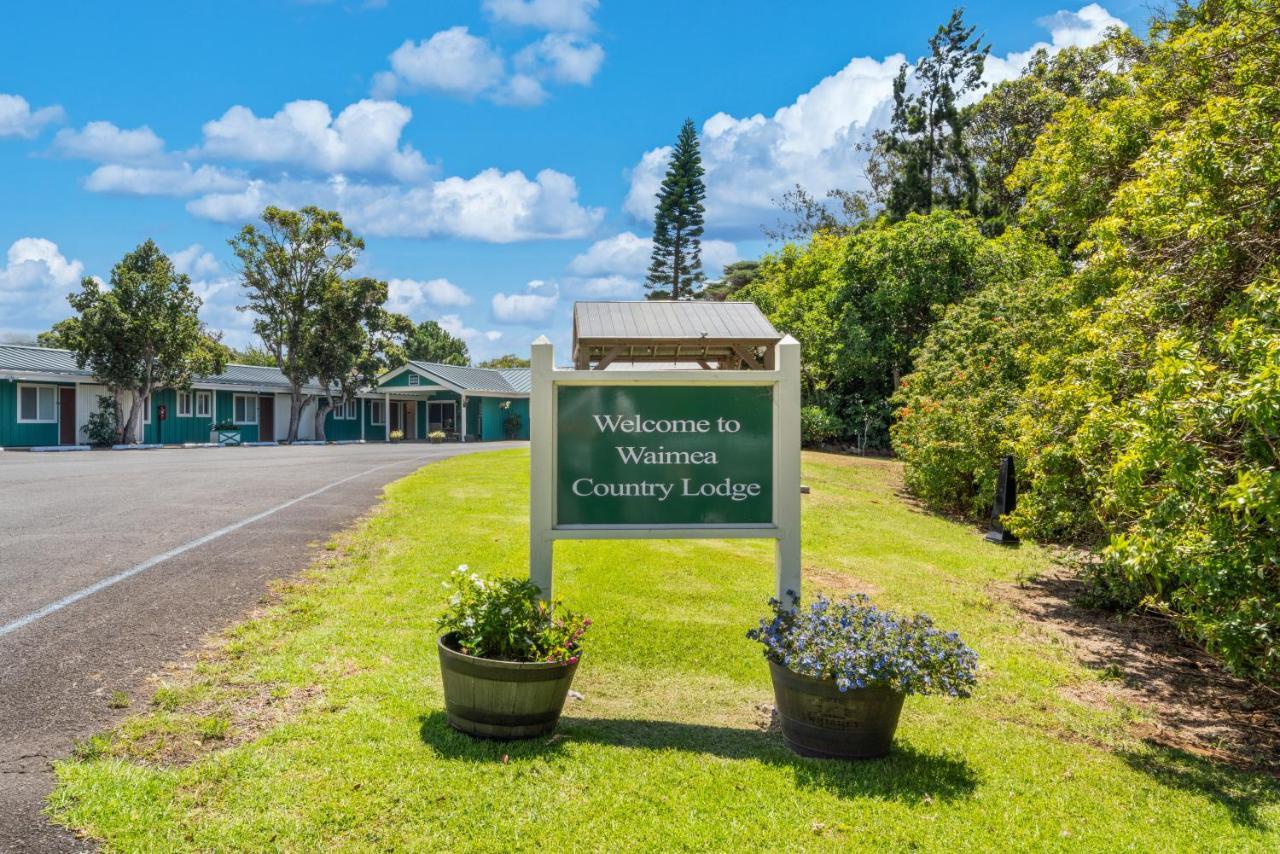
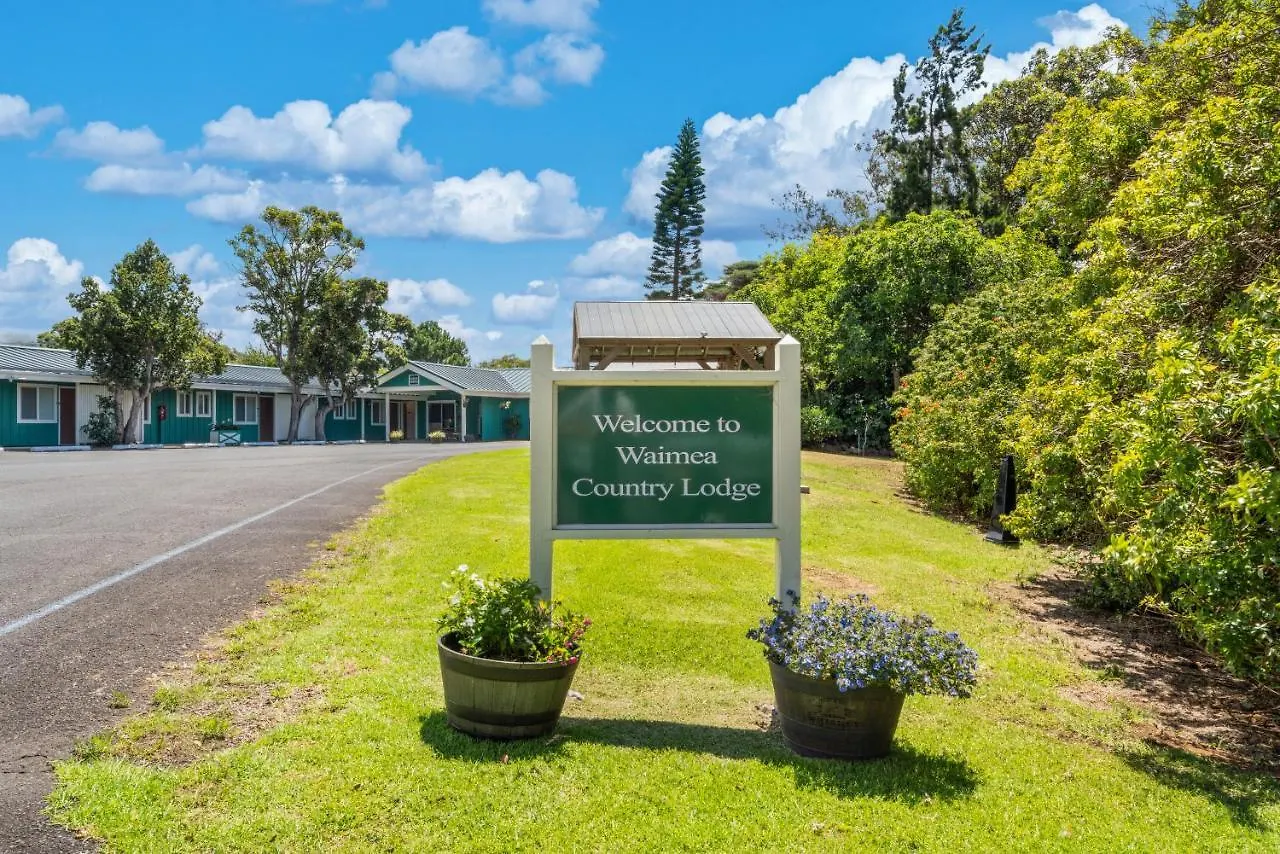
2. Castle Waimea Country Lodge
Show on map


 Check-infrom 15:00 until 16:00Check-outuntil 10:00
Just a few rooms left at the best rate!
fromUS$ 151
-
3. Kalani Hawaii Private Lodging
Show on map


 Check-infrom 13:00 until 23:00Check-outuntil 11:00
Hurry – almost gone at this price!
fromUS$ 109
Best Premium Stays
These properties offer a more immersive or feature-rich location experience - whether through exclusive natural access, eco-retreat infrastructure, or oceanfront heritage positioning - and command pricing that reflects the uniqueness of their physical setting.
-
4. The Inn At Kulaniapia Falls
Show on map


 Check-infrom 15:00 until 20:00Check-outuntil 11:00
Hurry – almost gone at this price!
fromUS$ 119
-
5. Waimea Plantation Cottages, A Coast Resort
Show on map


 Check-infrom 15:00 until 23:59Check-outuntil 11:00
Rooms filling fast – secure the best rate!
fromUS$ 446
-
6. Hawaiian Sanctuary Eco Retreat Center
Show on map


 Check-infrom 14:00 until 21:00Check-outfrom 10:00 until 11:00
Rooms filling fast – secure the best rate!
fromUS$ 89
Smart Travel & Timing Advice
Hawaii's peak travel windows fall between mid-December and mid-April (winter escape demand from the US mainland and Japan) and again in June through August (school holidays). During these periods, properties with strong location scores - particularly oceanfront cottages and nature-adjacent retreats - book out fastest because travelers have already done the research on positioning. Booking at least 10 weeks ahead for peak-season stays at the properties in this guide is realistic advice, particularly for Waimea Plantation Cottages and The Inn at Kulaniapia Falls, which have limited unit counts. The North Shore of Oahu sees its own surge in November and February around surf competitions, when accommodation within walking distance of Pipeline becomes nearly impossible to find at any price.
The shoulder seasons of April through May and September through October offer the best combination of availability, manageable crowds, and pricing - rates can drop around 20% compared to peak winter months. Minimum stays of 3 nights are commonly required at cottage and lodge properties during peak season; booking for fewer nights often means accepting whatever unit the property has available rather than selecting a preferred configuration. For first-time visitors, 10 nights split across two islands allows enough time to meaningfully experience each location rather than spending half your trip in transit.